
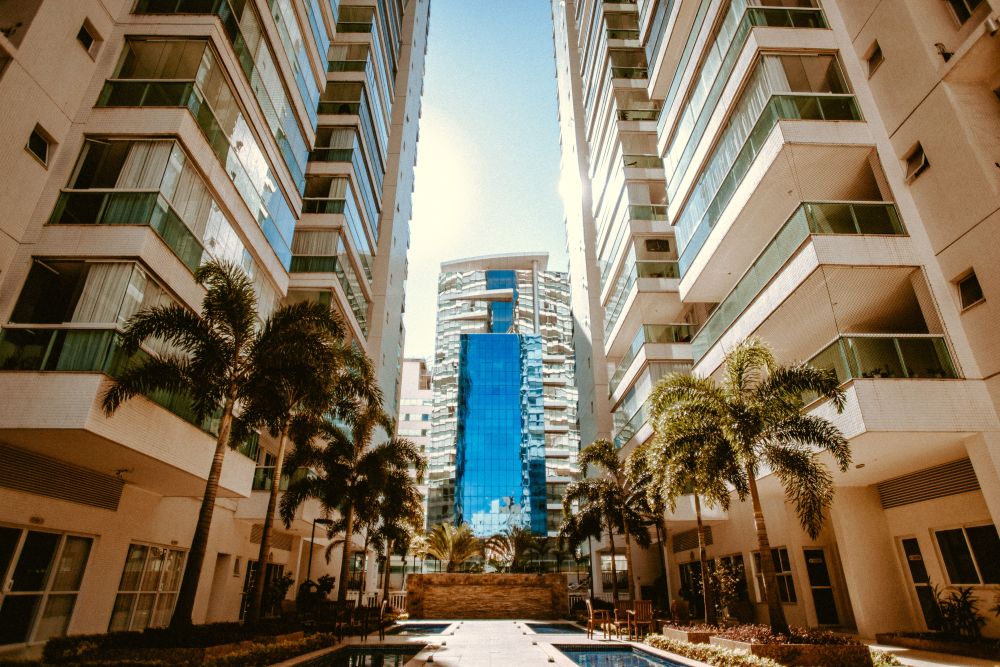
The Miami Property Values market is entering a new phase as fresh county data reveals slower growth across many neighborhoods while select areas continue to outperform. After several years of extraordinary appreciation fueled by pandemic-era migration, limited inventory, and strong buyer demand, Miami-Dade’s real estate sector is showing signs of normalization. Although property values continue to rise overall, the pace of growth has moderated significantly, reflecting changing market conditions throughout South Florida.
According to the latest property valuation report, countywide taxable values increased by 5.5% compared to the previous year. While the increase remains positive, it falls below the stronger growth rates recorded in recent years. Property values had previously risen by 8.5% and 10.7% in consecutive years, highlighting a clear slowdown in momentum. Market observers note that this trend reflects a broader cooling period rather than a market downturn.
The latest figures provide an important snapshot of Miami-Dade’s housing market because taxable values often reflect a combination of property appreciation, new construction activity, and overall economic performance. Although these valuations differ from direct market prices, they remain a closely watched indicator for local governments, investors, developers, and property owners.
Real estate professionals say the moderation was expected after the rapid expansion experienced during the height of the pandemic housing boom. During that period, intense demand pushed home prices higher at an unusually fast pace. Today, higher borrowing costs, increased inventory, and more cautious buyers have contributed to a healthier and more balanced marketplace.
Market Growth Continues to Slow
One of the most notable findings in the report is the slowdown in value growth among existing properties. While values are still increasing, the rate of appreciation has declined compared with previous years. Existing residential and commercial properties recorded a more modest increase than in past reporting periods, suggesting that the market is adjusting to current economic realities.
Industry experts describe the situation as a natural correction following years of exceptional gains. Rather than signaling weakness, the slower pace indicates that the market is moving toward more sustainable growth levels. Buyers are taking more time to evaluate purchases, while sellers are becoming increasingly realistic about pricing expectations.
Another contributing factor is the reduction in new construction activity. Developers continue to build across Miami-Dade County, but project pipelines are not expanding at the same pace seen during previous years. Rising construction costs, labor shortages, financing challenges, and regulatory hurdles have all affected development timelines.
As a result, newly completed projects are contributing less to overall property value growth than they did during the market’s peak expansion period. Market analysts believe construction activity will remain selective as developers focus on projects with strong demand fundamentals.
Condominium Sector Faces Ongoing Challenges
The condominium market continues to play a significant role in shaping Miami’s broader housing landscape. While luxury condominium properties have generally maintained their value, older condominium buildings face growing challenges that are affecting prices and transaction activity.
In the years following heightened building safety requirements across Florida, many condominium owners have faced increased maintenance costs, special assessments, and reserve funding obligations. These additional expenses have placed financial pressure on some owners, particularly in aging buildings that require substantial repairs and upgrades.
As a result, some owners have chosen to sell their units, often accepting lower prices to complete transactions quickly. This trend has contributed to weaker performance in several condominium-heavy markets throughout Miami-Dade County.
Aventura, one of South Florida’s most condominium-focused communities, reflects these changing conditions. The area recorded relatively modest growth compared with other municipalities. New development activity also slowed considerably, suggesting that developers are becoming more cautious when evaluating future condominium projects.
Real estate professionals note that condominium buyers are increasingly focused on building quality, financial reserves, maintenance history, and long-term operating costs. These factors now play a larger role in purchasing decisions than they did during previous market cycles.
Affordable Areas Lead Growth Rankings
While some luxury and condominium markets have cooled, several more affordable communities posted some of the strongest gains in property values. Municipalities located farther from Miami’s traditional luxury corridors experienced notable appreciation as buyers searched for attainable housing options.
Communities such as Florida City and Opa-locka recorded significant value increases, benefiting from growing demand among first-time buyers, families, and investors seeking opportunities outside higher-priced neighborhoods. Real estate analysts believe affordability remains a major driver of demand in these markets.
As housing costs continue to rise throughout South Florida, many buyers are expanding their search areas to include communities that offer lower entry prices and greater long-term value potential. This shift has helped support property appreciation in locations that historically received less attention from investors and homebuyers.
North Miami Beach also emerged as one of the strongest performers in terms of existing property appreciation. Although development activity remained relatively limited, demand for established residential and commercial properties contributed to substantial gains. Local officials believe future redevelopment opportunities will continue attracting investment to the area.
Meanwhile, communities with significant land availability are expected to remain attractive to developers seeking new residential and mixed-use project opportunities. As neighboring cities approach buildout capacity, investors are increasingly exploring markets with room for expansion.
Luxury Enclaves Continue to Shine
At the high end of the market, some of Miami-Dade County’s most exclusive communities continue to generate impressive value growth. Indian Creek, often referred to as one of the most prestigious residential enclaves in the country, recorded strong appreciation despite limited new construction activity.
The community has attracted global attention due to its concentration of ultra-high-net-worth residents and record-setting real estate transactions. Recent luxury home sales have reinforced Miami’s position as a leading destination for affluent buyers seeking waterfront properties, privacy, and favorable tax conditions.
Luxury market performance remains relatively insulated from broader housing affordability challenges. Wealthy buyers are often less dependent on mortgage financing and more focused on long-term wealth preservation, lifestyle considerations, and portfolio diversification.
As a result, demand for trophy assets in prime waterfront locations remains strong, even as other segments of the housing market experience slower growth.
What the Numbers Mean Going Forward
Although the latest property valuation data reveals a cooling market, experts emphasize that Miami’s real estate fundamentals remain strong. Population growth, business expansion, international investment, and limited land availability continue to support long-term demand throughout the region.
The data also highlights how localized the market has become. Conditions vary significantly between neighborhoods, property types, and price segments. While some areas are experiencing slower growth, others continue to attract substantial buyer interest and investment capital.
For local governments, property valuations remain especially important because they influence future tax revenues and budget planning. Slower growth rates may affect revenue projections, particularly as policymakers continue to debate property tax reforms and affordability initiatives.
Looking ahead, market participants expect the Miami housing sector to remain active, although growth is likely to be more measured than during the extraordinary years following the pandemic. Buyers now have more choices, sellers face greater competition, and investors are focusing more carefully on market fundamentals.
The latest figures suggest that Miami’s real estate market is not declining but evolving. As conditions stabilize, property owners, investors, and developers will continue adapting to a marketplace defined by slower growth, stronger fundamentals, and increasing opportunities across a wide range of communities.

