
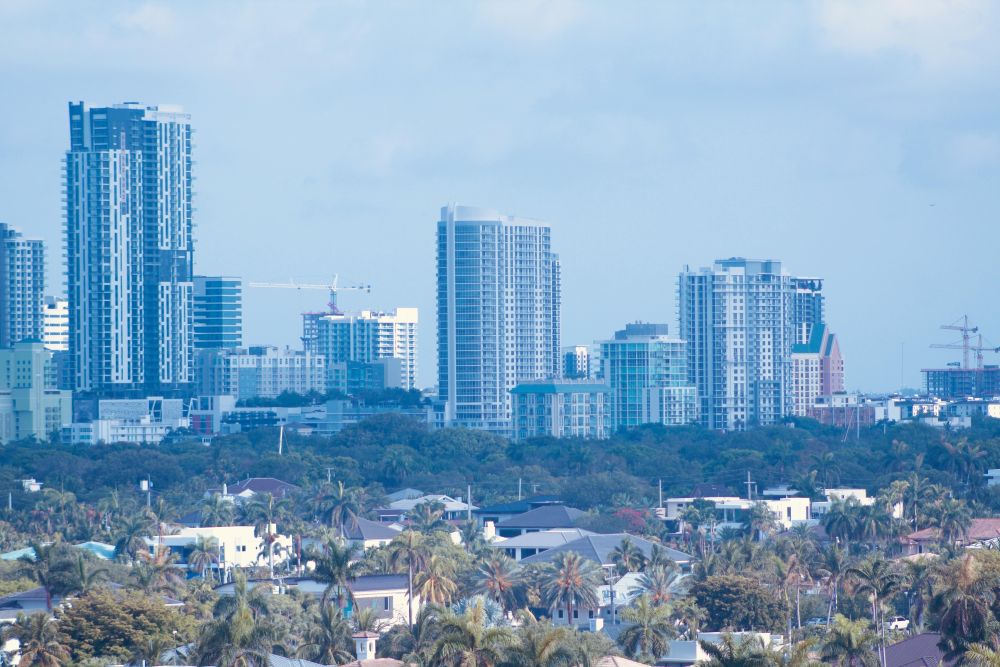
The Miami Affordable Housing sector is receiving renewed support as local organizations expand programs designed to help small developers bring new residential projects to market. With housing affordability remaining one of the region’s most pressing economic challenges, new initiatives are creating opportunities for landowners, nonprofit groups, and community-based developers to play a larger role in increasing housing supply across Miami-Dade County.
The effort comes at a critical time for South Florida. Rising property values, increasing construction costs, and strong population growth have intensified pressure on the local housing market. As a result, many residents continue to struggle to find affordable places to live near their jobs, schools, and communities. While large-scale developments remain an important part of the solution, housing advocates increasingly believe that smaller projects can also make a meaningful contribution.
One example is the story of a North Miami landowner who spent years holding vacant properties purchased decades ago as long-term investments. Although the land steadily appreciated in value, the parcels remained unused. Eventually, the owner decided to transform the sites into a residential development aimed at serving senior residents who need affordable housing options in the community.
The planned project, known as Casa de Lynda, is expected to deliver 20 affordable housing units for seniors. The development is currently moving through the local approval process and has become one of the most visible examples of how small-scale projects can address community needs while creating new opportunities for property owners.
Program Helps Small Developers Succeed
The project is part of a growing initiative supported by Miami Homes for All, a nonprofit organization focused on housing affordability and community development. After operating a pilot program for several years, the organization recently expanded its Small-Scale Affordable Development Alliance to support a larger group of participants across the county.
The alliance provides guidance to landowners and emerging developers who often lack the experience or resources needed to launch housing projects independently. Participants receive assistance with financing strategies, permitting requirements, project planning, zoning issues, and development management. In many cases, the organization also helps connect landowners with experienced affordable housing developers who can help move projects from concept to completion.
Interest in the program has increased significantly as awareness grows throughout the region. Following the success of the initial pilot phase, dozens of additional developers and property owners have expressed interest in joining future rounds. Housing advocates view the demand as evidence that many residents want to contribute to affordable housing solutions but need access to expertise and technical support.
Unlike major institutional developers, small property owners often face barriers that can prevent projects from moving forward. Even when land is owned outright, financing remains difficult to secure. Development regulations, permitting requirements, environmental reviews, and construction planning can quickly become overwhelming for first-time developers unfamiliar with the process.
Community Projects Expand Across Miami
Several projects supported through the alliance are already making an impact in Miami neighborhoods. Among them is a mixed-use community development in Overtown that combines affordable housing units with office space for nonprofit organizations. The project demonstrates how small-scale developments can create both residential opportunities and community resources within the same property.
Another initiative involves the development of a community center and affordable housing units in Liberty City. Supporters believe projects like these can strengthen neighborhoods by providing housing, services, and economic opportunities while preserving community identity.
Program leaders have also encouraged participation from nonprofit organizations, educational institutions, and religious organizations that own underutilized land. Many churches, schools, and community groups control properties that could potentially be redeveloped into affordable housing while continuing to serve their primary missions.
Recent legislative changes have further expanded these opportunities. Updates to Florida’s Live Local Act have made it easier for nonprofits, houses of worship, and educational institutions to develop affordable housing projects on their land. Housing advocates say these changes could unlock significant development potential throughout Miami-Dade County.
Addressing a Major Housing Shortage
Despite ongoing efforts, Miami-Dade continues to face a substantial shortage of affordable housing units. Housing experts estimate that the county needs tens of thousands of additional affordable homes to meet current demand. The shortage affects workers across multiple industries, including healthcare, hospitality, education, retail, and public service.
As housing costs continue to rise, many residents are being forced to relocate farther from employment centers in search of lower rents and housing expenses. This trend creates longer commutes, transportation challenges, and additional financial burdens for working families. Consequently, local leaders are searching for solutions that can increase housing supply while preserving neighborhood stability.
Supporters of the Small-Scale Affordable Development Alliance believe community-based development can help address these challenges. Although individual projects may add only a limited number of units, their cumulative impact can be significant when replicated across multiple neighborhoods.
Furthermore, small-scale projects often integrate more naturally into existing communities than large developments. They can utilize vacant lots, underused properties, and aging structures while maintaining the character of established neighborhoods. This approach allows communities to grow without experiencing dramatic changes to their physical environment.
Empowering New Real Estate Entrepreneurs
The program is also creating opportunities for individuals with little or no prior development experience. Many participants enter the process with backgrounds in fields unrelated to real estate. Through training programs, workshops, and one-on-one guidance, they learn the fundamentals of affordable housing development and gain the skills needed to manage projects successfully.
For some participants, the experience has opened the door to entirely new careers in real estate development. What begins as a single community project can evolve into a long-term commitment to building affordable housing throughout the region.
Industry experts note that empowering local developers can create broader economic benefits as well. New housing construction generates jobs, supports local businesses, increases property values, and expands economic activity. At the same time, affordable housing helps employers attract and retain workers who might otherwise be priced out of the region.
Looking Ahead
While no single initiative can solve Miami-Dade County’s housing shortage, supporters believe small-scale development programs can become an important part of a larger strategy. By combining public policy reforms, nonprofit support, private investment, and community engagement, local leaders hope to accelerate affordable housing production across the county.
The growing interest in these programs suggests that many landowners and community organizations are eager to participate in solutions that benefit both residents and neighborhoods. As additional projects move through the development pipeline, affordable housing advocates expect the model to continue expanding.
For Miami’s real estate sector, the initiative highlights an emerging trend toward community-driven development. As housing affordability remains a top concern for residents, programs that empower local property owners to create new housing opportunities may become increasingly important in shaping the future of the market.
Although challenges remain, the latest efforts represent a positive step toward addressing one of South Florida’s most urgent economic and social issues. With stronger support systems now in place, small developers may play a larger role in helping deliver the affordable housing that Miami urgently needs.

