
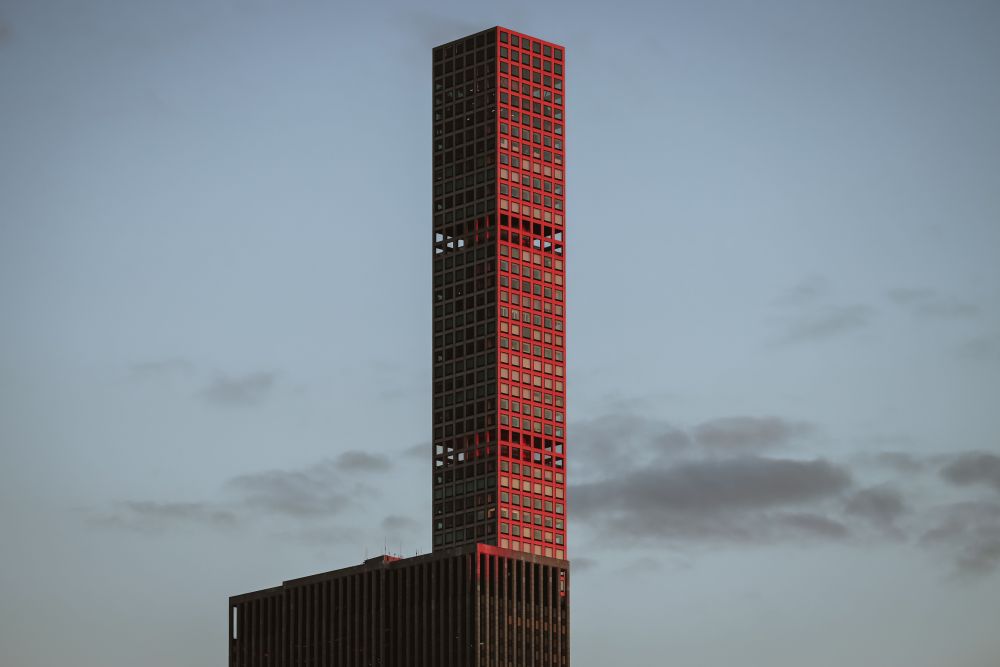
The Miami Housing Market continues to evolve as new trends emerge across rental housing, luxury real estate, and affordable development. While some renters are finally seeing relief after years of rising costs, high-end buyers remain active in Miami’s luxury enclaves. At the same time, local organizations and developers are expanding efforts to address the region’s growing affordable housing shortage. Together, these developments highlight the complex and rapidly changing nature of South Florida’s real estate landscape.
Recent market data shows that Miami’s rental sector is beginning to cool after several years of aggressive price growth. According to newly released housing reports, the median rent for a one-bedroom apartment declined on an annual basis, making Miami one of the few major U.S. cities to experience a notable decrease. The shift reflects changing supply and demand conditions as more apartment units enter the market and renters become increasingly price-sensitive.
Despite the decline, Miami remains one of the most expensive rental markets in the country. Housing costs continue to place pressure on residents, particularly young professionals, service workers, and families seeking affordable living options near employment centers. Although rental prices have softened slightly, affordability remains a major challenge throughout Miami-Dade County.
Industry analysts believe the current rental adjustment reflects a healthier market balance rather than a significant downturn. New multifamily developments have expanded inventory, giving renters more choices and increasing competition among property owners. Consequently, landlords are becoming more flexible with pricing, incentives, and lease terms in order to attract and retain tenants.
Luxury Market Remains Exceptionally Strong
While renters are benefiting from lower prices in some segments, Miami’s luxury housing sector continues to attract global attention. One of the most significant developments involves a collection of newly listed waterfront mansions on Fisher Island, one of the wealthiest residential communities in the United States.
Several ultra-luxury single-family homes have recently entered the market with asking prices exceeding $30 million each. The listings highlight the continued strength of Miami’s luxury sector, which has remained resilient despite broader economic uncertainty. International buyers, high-net-worth individuals, and investors continue to view South Florida as a desirable destination for wealth preservation and lifestyle-driven real estate purchases.
The momentum follows a series of high-profile sales that generated more than $100 million in combined transaction volume. These deals underscore the ongoing demand for exclusive waterfront properties offering privacy, security, and premium amenities. Luxury brokers report that inventory remains limited in many top-tier neighborhoods, helping support pricing even as conditions soften elsewhere in the housing market.
Market observers note that Miami’s luxury segment operates differently from traditional residential markets. Wealthy buyers are often less sensitive to mortgage rates and financing costs. Instead, purchasing decisions are frequently driven by lifestyle preferences, tax advantages, investment diversification, and long-term asset appreciation.
Affordable Housing Efforts Gain Momentum
At the opposite end of the market, affordable housing remains one of the region’s most urgent economic issues. Community organizations and housing advocates continue to seek innovative solutions to address the growing shortage of attainable housing throughout Miami-Dade County.
A new initiative launched this month aims to help smaller developers and property owners participate more actively in affordable housing construction. The program focuses on providing access to capital, permitting assistance, project planning, and development expertise. By supporting smaller-scale projects, organizers hope to accelerate housing production in neighborhoods facing increasing redevelopment pressure.
The initiative builds on a successful pilot phase that included multiple affordable housing projects across Miami-Dade. Following early results, dozens of additional developers have expressed interest in participating in future phases. Housing advocates believe small-scale builders can play a critical role in increasing housing supply while preserving neighborhood character.
The shortage remains substantial. Experts estimate that Miami-Dade County lacks tens of thousands of affordable housing units needed to meet current demand. As population growth continues and housing costs remain elevated, the gap between supply and demand continues to widen in many communities.
Neighborhoods Face Growing Development Pressure
Affordable housing concerns are particularly significant in historically working-class neighborhoods experiencing rapid investment activity. Areas such as Overtown, Allapattah, Little Haiti, and portions of Liberty City have attracted increased development interest in recent years. While new investment can bring economic opportunities, it also raises concerns about displacement and rising housing costs for long-term residents.
Community leaders argue that supporting smaller developers with local ties can help create housing solutions that better serve existing residents. Unlike large-scale projects that often target higher-income renters, neighborhood-focused developments may offer more attainable housing options for local families and workers.
Furthermore, affordable housing initiatives can generate broader economic benefits. New housing construction creates jobs, increases local spending, and supports long-term community stability. As a result, policymakers, nonprofit organizations, and private-sector stakeholders are increasingly collaborating to address housing affordability challenges.
What Comes Next for Miami Real Estate
The latest developments demonstrate that the Miami housing market is moving in multiple directions simultaneously. Rental prices are easing in some areas, luxury real estate remains highly active, and affordable housing programs are expanding to meet growing demand.
Although each segment faces different challenges and opportunities, they are all connected by the broader forces shaping South Florida’s economy. Population growth, migration trends, development activity, and changing affordability conditions will continue to influence market performance throughout the remainder of the year.
For investors, developers, landlords, and residents, the coming months will provide important signals about where the market is heading. Whether through declining rents, record-setting luxury sales, or expanded affordable housing initiatives, Miami remains one of the most closely watched real estate markets in the nation.
As housing conditions continue to evolve, industry professionals expect both opportunities and challenges to emerge. What remains clear is that Miami’s real estate sector continues to adapt to changing economic realities while maintaining its position as one of America’s most dynamic property markets.

