
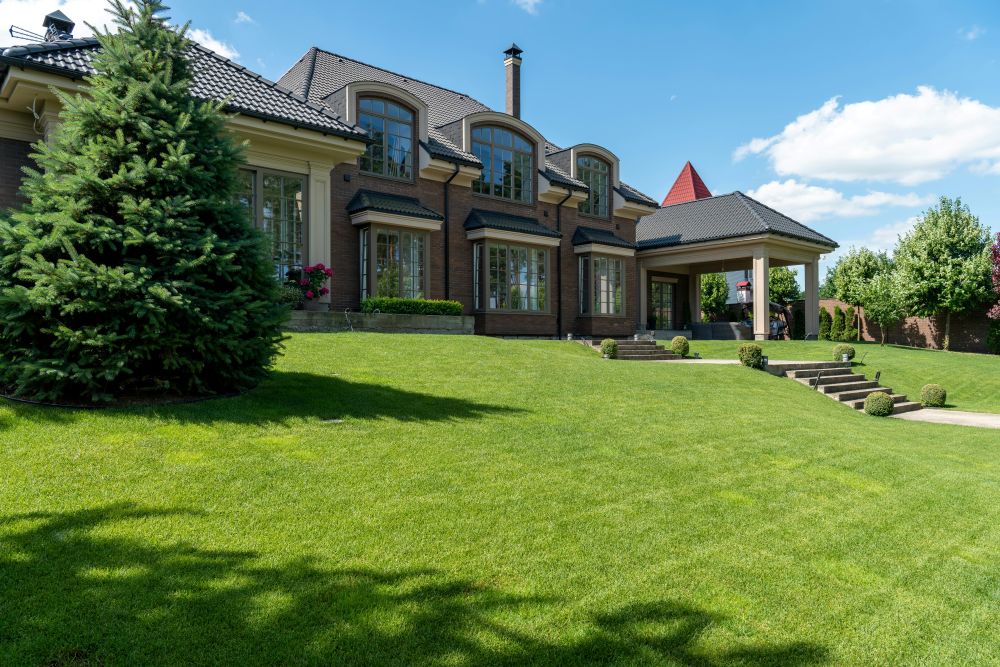
Martin luxury home sales continued to show resilience in April 2022, even as broader market conditions shifted. According to new data, activity in the high-end segment remained strong despite rising mortgage rates and tighter inventory. While total transactions declined compared to a record-breaking previous year, demand for premium properties persisted. As a result, Martin luxury home sales became a key indicator of how wealth-driven buyers are shaping the local housing market.
Home sales in the county showed mixed performance when compared year over year. Although total transactions fell significantly, this decline must be viewed in context. The previous year had been fueled by unusually low mortgage rates and pandemic-driven demand. Therefore, current figures still reflect a relatively active market. In particular, the luxury segment stood out, with single-family home sales in the million-dollar range increasing slightly despite broader slowdowns.
Luxury Segment Shows Resilience
The luxury sector displayed notable strength, especially in single-family homes. While high-end condominium sales declined, luxury houses experienced modest growth. This shift suggests that affluent buyers are prioritizing space and privacy. At the same time, inventory levels remained tight across all property types. Consequently, months of supply stayed low, reinforcing a competitive environment for buyers seeking premium homes.
Demand has been driven by several interconnected factors. Migration from high-tax states has continued, while Florida’s lack of state income tax remains attractive. Additionally, remote work trends and lifestyle changes have encouraged buyers to seek larger and more flexible living spaces. These dynamics have supported Martin luxury home sales even as affordability challenges increased in other market segments.
Market Pressures and Mortgage Trends
Rising mortgage rates have started to influence buyer behavior. As borrowing costs climbed, affordability became more constrained, particularly for first-time buyers. However, luxury buyers—often less dependent on financing—were less affected. This created a divergence between high-end and mid-range markets. While overall sales declined, luxury transactions remained comparatively stable.
The Federal Reserve’s actions to combat inflation played a central role in this shift. Interest rates increased sharply over the year, raising monthly payments and limiting purchasing power. Even so, rates remained below long-term historical averages. Over time, higher rates are expected to moderate price growth and increase inventory, although the timeline remains uncertain.
Pricing and Inventory Dynamics
Property prices continued to rise due to limited supply and sustained demand. Median prices for both single-family homes and condominiums increased significantly compared to the previous year. This trend was particularly evident in the luxury category, where competition remained strong. As a result, sellers retained a clear advantage in negotiations.
Inventory levels stayed historically low, reinforcing the seller’s market conditions. Although new listings declined, seasonal patterns suggest that supply may improve later in the year. Traditionally, inventory expands several months after interest rates rise. However, current market dynamics differ from past cycles, making future trends less predictable.
Economic Impact of Housing Activity
Real estate transactions contributed significantly to the local economy. Each home sale generated spending across multiple sectors, including construction, retail, and professional services. As a result, housing activity produced a substantial economic impact within a single month. This highlights the broader importance of Martin luxury home sales beyond the real estate sector itself.
Dollar volume declined compared to the previous year, reflecting fewer transactions rather than weaker pricing. Even so, the market remained active, with substantial capital flowing through both single-family and condominium segments. This demonstrates the continued strength of the region’s housing market despite external pressures.
Healthy Market Indicators
Distressed sales remained minimal, indicating overall market stability. The share of bank-owned properties and short sales continued to decline, aligning with national trends. This suggests that homeowners are generally in strong financial positions, supported by rising home equity and steady demand.
At the same time, competitive conditions persisted. Homes sold quickly, often at or above listing price. The time required to secure a contract decreased, reflecting strong buyer interest. In many cases, multiple offers were received, further driving price growth and reinforcing the seller’s advantage.
Cash Buyers and Global Demand
Cash transactions represented a significant portion of total sales, far exceeding national averages. This trend highlights the influence of international buyers and domestic migrants relocating from more expensive markets. These buyers often bring substantial equity, allowing them to compete effectively in a tight market.
Global demand has also been supported by improved travel conditions and shifting geopolitical factors. As international buyers returned, interest in Florida real estate increased. The region’s reputation as a global destination, combined with relative affordability compared to other major cities, continued to attract investment.
Outlook for Martin Luxury Market
Looking ahead, the trajectory of Martin luxury home sales will depend on several factors. Interest rates, inventory levels, and economic conditions will all play a role. While higher borrowing costs may slow overall activity, the luxury segment is expected to remain more resilient due to its distinct buyer profile.
Ultimately, the market reflects a balance between strong demand and limited supply. As conditions evolve, opportunities may emerge for both buyers and investors. However, careful analysis will be essential, as headline prices alone do not capture the full complexity of the market.

