
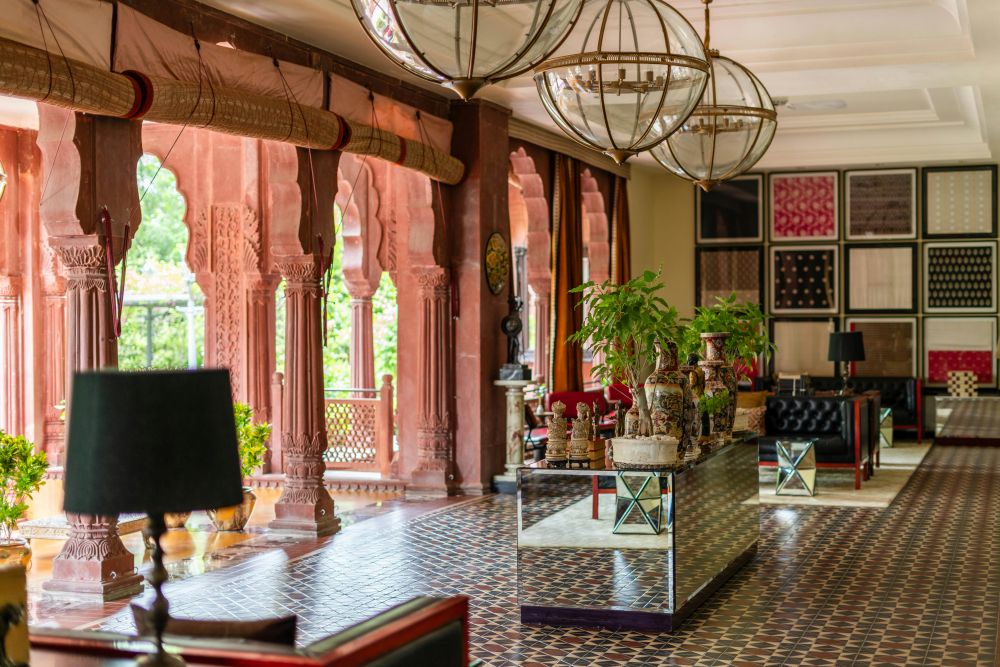
A new South Beach boutique hotel has quietly entered one of Miami Beach’s most competitive hospitality corridors, signaling a fresh wave of experiential, design-driven development. Located along Ocean Drive, the newly opened Casa Cañita blends hospitality, culinary branding, and cultural storytelling into a compact, high-end concept. While the property may appear understated from the outside, investors and developers are increasingly focusing on these smaller, curated assets to meet evolving traveler preferences. As a result, the South Beach boutique hotel segment continues to gain traction among both operators and guests seeking more personalized stays.
The property operates with a deliberately low profile. There is no traditional lobby facing Ocean Drive, and foot traffic is instead funneled through a quieter side entrance. This design choice reflects a broader shift toward exclusivity and discretion in boutique hospitality. With just 24 rooms and limited conventional amenities, the hotel emphasizes intimacy over scale. At the same time, nightly rates reaching up to $320 position it firmly within the premium segment of the local market.
Design and Concept Strategy
The South Beach boutique hotel concept at Casa Cañita is rooted in a strong thematic identity. Inspired by the cultural legacy of sugarcane and its historical ties to the Caribbean and Latin America, the property blends heritage with modern design. Interiors feature handcrafted furnishings sourced from regional artisans, while tropical aesthetics are integrated throughout the space. Consequently, the hotel offers a cohesive visual and sensory experience that aligns with current hospitality trends.
Room configurations are designed for efficiency and comfort. Most units include single king beds, while a limited number of suites provide expanded layouts and ocean views. Materials such as velvet, wood, and coral-toned finishes contribute to a warm yet contemporary atmosphere. In addition, curated artwork and patterned hallways enhance the immersive environment, reinforcing the property’s brand narrative.
Experiential Hospitality Offering
Rather than relying on traditional amenities, the hotel focuses on curated guest experiences. Activities such as private cigar rolling sessions, cocktail workshops, and dance classes are offered to enhance engagement. This approach reflects a broader industry shift toward experiential hospitality, where value is created through memorable interactions rather than physical infrastructure alone.
Guests are also given access to in-room entertainment options that connect directly to the property’s programming. Live performances hosted within the venue can be streamed privately, allowing for a flexible and personalized experience. As a result, the hotel successfully merges social and private spaces, catering to a diverse range of guest preferences.
Integrated Food and Beverage Model
A key component of the South Beach boutique hotel strategy is its integration with a branded restaurant concept. The property includes a new location of La Cañita, expanding an already established culinary presence in the Miami market. This marks a strategic move, as mixed-use hospitality models continue to outperform standalone operations in high-demand urban areas.
The restaurant menu reflects Caribbean and Latin American influences, offering a range of recognizable yet elevated dishes. Signature items include croquetas, empanadas, and slow-cooked meat specialties, alongside more contemporary creations. Meanwhile, the beverage program focuses heavily on rum and sugarcane-derived spirits, aligning with the hotel’s central theme. Tropical cocktails featuring guava, mango, and passion fruit further reinforce the concept.
Market Position and Ownership Vision
The entry of this South Beach boutique hotel into the market highlights a growing preference for niche, lifestyle-driven developments. Backed by a well-known culinary figure and a team of experienced partners, the project represents a convergence of hospitality, branding, and real estate investment. The involvement of established names adds credibility, while also attracting a built-in customer base.
From a commercial perspective, the property targets affluent travelers seeking authenticity and exclusivity. At the same time, its relatively small footprint allows for operational flexibility and potentially higher margins. This model is increasingly being replicated across major urban destinations, where land constraints and high costs favor boutique-scale developments.
Future Outlook for Boutique Hospitality
The success of projects like this South Beach boutique hotel will likely influence future development patterns in Miami Beach and beyond. As demand for personalized travel experiences continues to rise, developers are expected to prioritize smaller, design-focused properties. In addition, the integration of food, culture, and entertainment will remain a critical differentiator in competitive markets.
Ultimately, Casa Cañita represents more than just a new hotel opening. It reflects a broader evolution within the hospitality sector, where storytelling, experience, and brand identity are becoming as important as location and price. As the market continues to evolve, boutique concepts are expected to play an increasingly prominent role in shaping the future of urban tourism.

