
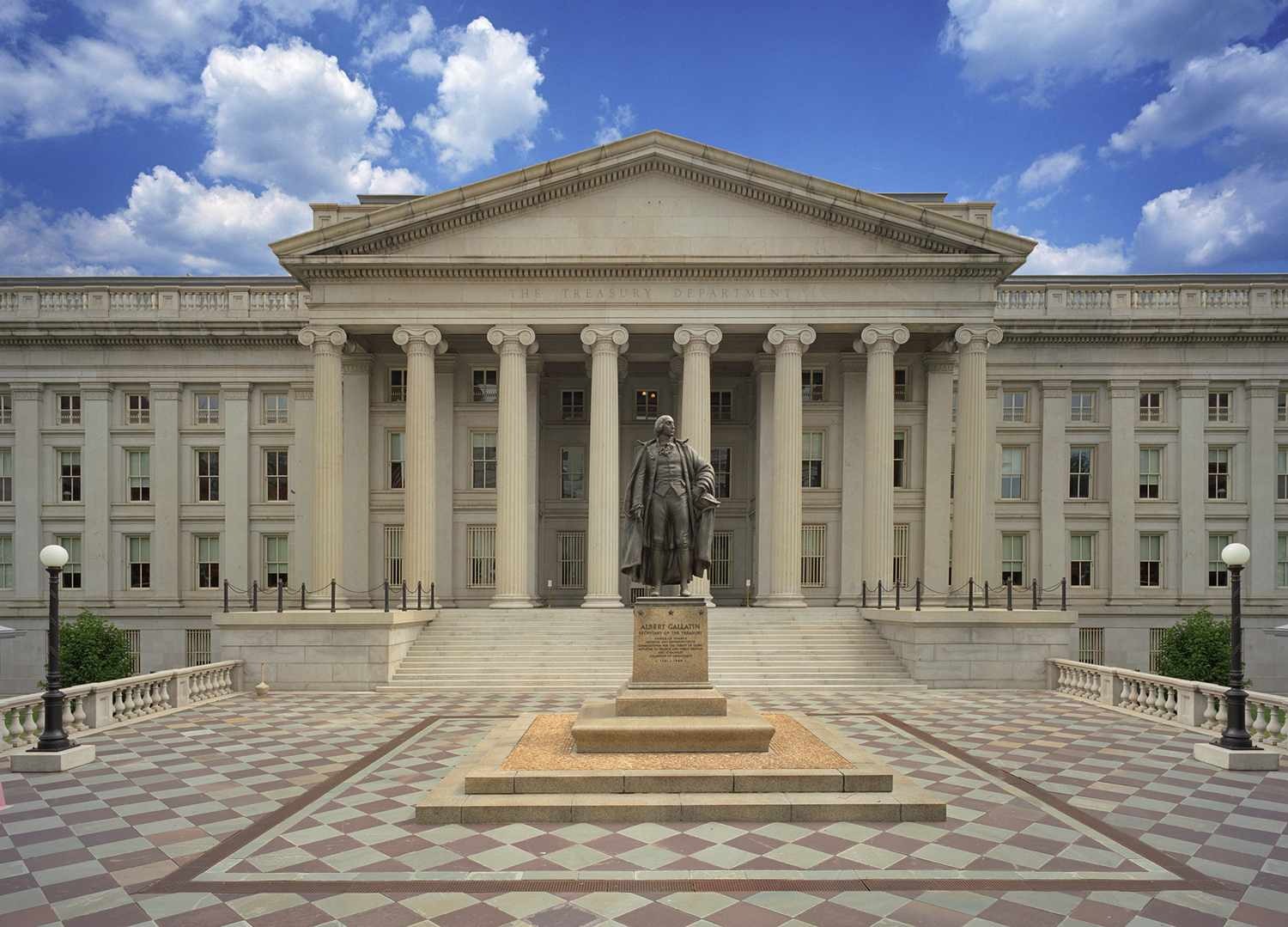
For decades, U.S. Treasury served as the world’s de facto risk-free asset. They were deep, dollar-denominated, and viewed as nearly immune to default. Even today, the 10-year Treasury yield sits around 4.10%–4.20%, and the likelihood of outright non-payment remains extremely low. However, the nature of U.S. Treasury risk has changed. In an era marked by sanctions, reserve freezes, and the growing use of financial systems as policy tools, investors can no longer assume a literal zero-risk outcome under every geopolitical scenario. The shift from “impossible” to “highly unlikely” may seem subtle, yet it logically implies a non-zero risk premium.
Spreads to Bunds and Gilts Stay Thin
Despite that shift, market pricing shows little sign of added compensation. The U.S. 10-year yield, at roughly 4.1%–4.2%, trades only about 1.3 percentage points above the German Bund, which yields near 2.8%. That spread sits toward the low end of the historical 150–250 basis-point range. Against the UK, the contrast is sharper. The 10-year Gilt yields roughly 4.5%–4.6%, placing it 30–40 basis points above Treasuries and flipping the traditional U.S. yield advantage into a modest discount.
Historically, stronger U.S. growth prospects and looser fiscal policy justified a clear premium over both Bunds and Gilts. Today, inflation expectations and central-bank policy paths explain most of the difference. As a result, there is little evidence of any leftover spread that compensates investors for U.S.-specific political or sanctions risk.
FX Versus Yields: Where Risk Should Show Up
One counterargument is that political risk should appear in currencies, not bond yields. If foreign reserve managers viewed Treasuries as unsafe, they would sell. Domestic buyers would step in at yields anchored by inflation expectations and Federal Reserve policy, while the dollar would weaken instead. In this framework, the Treasury curve reflects economics, while geopolitical risk is absorbed by foreign exchange markets.
However, that logic assumes a clean divide between foreign and domestic holders. Years of unconventional policy have blurred that line. Once investors accept that certain holder groups can be targeted in one crisis, it becomes harder to rule out similar constraints in another. Even a perceived 1%–2% tail risk—where liquidity, payment timing, or access could be impaired—should, under standard models, lift term premia and push long-dated yields higher than economics alone would suggest.
Inflation Expectations Under Trump Matter More
Overlaying these structural issues is a more immediate macro risk tied to the policy outlook under the Donald Trump administration. Current pricing shows 10-year nominal yields near 4.1% and 10-year TIPS yields around 1.8%, implying breakeven inflation of roughly 2.3%–2.4%. That level sits only slightly above the Fed’s target and well below earlier cycle peaks.
Yet renewed tariff proposals and broader import levies have already pushed analysts to revise inflation forecasts higher. Some expect headline CPI to approach or exceed 3% in 2026 if tariff pass-through and wage pressures persist. If inflation expectations rise by just 50–75 basis points while real yields stay near current levels, fair-value 10-year Treasury yields would likely fall in the 4.6%–5.0% range, well above today’s market levels.
A Mispricing Waiting to Adjust
Taken together, the numbers challenge the idea that Treasuries remain truly risk-free. The 10-year trades only about 130 basis points over Bunds and at a discount to Gilts. Breakeven inflation assumes a calm mid-2% path. Meanwhile, markets assign little visible premium for geopolitical or policy tail risk. In a world of weaponized finance and tariff-driven inflation pressure, that combination points less to an abstract debate and more to a concrete mispricing—one that may correct as policy clarity fades and inflation risks reassert themselves.

