
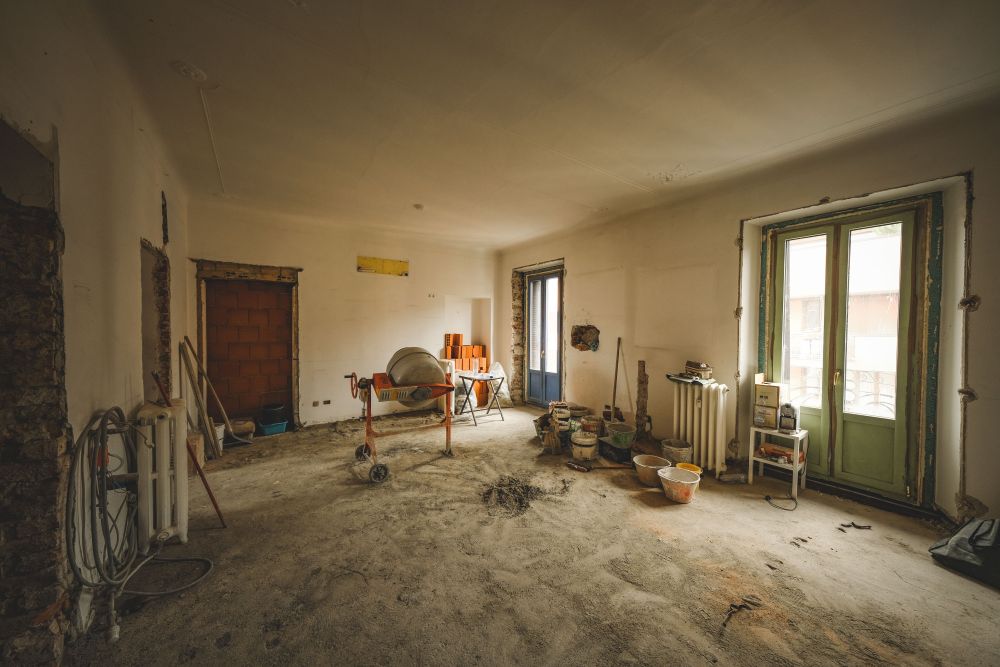
The U.S. remodeling market remained stable in the third quarter of 2026, as homeowners continued to invest in improving their properties despite rising costs and economic uncertainty. The latest industry data shows that demand for home improvement projects remains resilient, even as contractors face labor shortages, expensive materials and delays in customer decisions.
The National Association of Home Builders (NAHB) reported that its Remodeling Market Index (RMI) rose one point to 62 in the third quarter. The reading indicates that more remodelers viewed business conditions positively than negatively. However, expectations for new work and project backlogs remained weaker than assessments of current conditions.
These results suggest that remodeling continues to perform relatively well compared with new-home construction. With mortgage rates still elevated, many homeowners may prefer to improve their existing properties rather than sell and purchase another home. This trend helps support renovation demand, although contractors still face several obstacles to stronger growth.
Remodeling Market Sentiment Remains Positive
The NAHB’s latest survey points to a remodeling industry that continues to operate on solid ground. However, stable sentiment does not necessarily mean that contractors are seeing rapid growth in new business. Instead, the results show that current conditions remain favorable while uncertainty continues to affect future projects.
Elliott Pike, chairman of NAHB Remodelers, said sentiment remained stable during the quarter. Nevertheless, remodelers in some parts of the country continue to struggle with high material costs and a shortage of workers. These problems can make it harder to complete projects on schedule.
Economic uncertainty is creating another challenge. Some homeowners are delaying renovation decisions while they assess their finances and the wider economy. As a result, contractors may find it harder to predict incoming work, plan staffing levels and manage their schedules.
The index provides a useful view of how remodelers assess the market. It measures current business conditions, incoming customer inquiries and outstanding projects. However, it reflects industry sentiment rather than directly measuring renovation spending or construction output.
Current Conditions Hold at 70
The Remodeling Market Index’s current-conditions measure remained at 70 for the third consecutive quarter. This steady reading suggests that remodelers continue to view their existing business conditions favorably across different project sizes.
Large remodeling projects also recorded an improvement. The index for projects costing $50,000 or more increased two points to 66. This rise suggests that sentiment toward higher-value renovations strengthened during the quarter, despite the pressures affecting the wider industry.
Mid-sized projects showed a different pattern. The measure for projects priced from $20,000 to less than $50,000 fell two points to 71. Although the decline points to slightly weaker sentiment, the reading remained well above the neutral threshold.
Smaller projects also experienced a modest decline. The index for remodeling work costing less than $20,000 slipped one point to 73. Despite this decrease, smaller projects continued to receive the strongest assessment among the three categories.
The figures show that current demand remains broadly positive across the market. However, conditions vary by project size, and the latest changes suggest that contractors are not experiencing the same level of confidence in every segment.
Future Indicators Show Modest Improvement
While current conditions remained strong, the forward-looking indicators showed a more cautious outlook. The NAHB’s Future Indicators Index rose two points to 54 in the third quarter. This increase suggests some improvement in expectations, although the measure remains much closer to neutral than the current-conditions index.
The component tracking incoming leads and customer inquiries increased to 53. This measure offers insight into potential future business because homeowners often contact contractors before committing to a project. A higher reading suggests that interest in remodeling may be improving, but it does not guarantee that every inquiry will turn into paid work.
The project-backlog component also improved, climbing to 56. Backlogs represent work that contractors have agreed to complete but have not yet finished. A stronger reading can indicate that businesses have a reasonable amount of work ahead of them.
Even so, future indicators remain less positive than current assessments. Contractors may therefore continue to approach hiring, pricing and project scheduling carefully. They must balance the work already in progress with uncertainty about how many new customers will move forward.
NAHB index readings above 50 indicate that more survey respondents describe conditions as good than poor. Readings below 50 indicate that negative assessments outweigh positive ones. Both the current-conditions and future-indicators measures remained above that threshold in the third quarter.
NAHB Expects Stable Remodeling Activity
NAHB Chief Economist Robert Dietz said the latest results were consistent with the association’s forecast for remodeling activity to remain stable in 2026 and expand modestly in 2027.
That outlook suggests the industry may continue to benefit from homeowners choosing renovations over moving. However, the forecast does not point to a sharp increase in activity. Higher project costs, limited labor availability and uncertainty among consumers could continue to restrict growth.
For contractors, this environment requires careful business planning. Companies must consider the cost of materials, the availability of skilled workers and the time needed to complete each project. They also need to account for the possibility that customers may postpone work, even after requesting estimates.
The combination of steady current conditions and more moderate future indicators supports a cautious outlook. Remodelers may continue to receive work, but expanding their businesses could remain difficult without improvements in labor supply and customer confidence.
Labor Shortages Continue to Limit Growth
Labor availability remains one of the most important challenges facing the remodeling market. Dietz pointed to immigration enforcement and competition from data-center construction as factors that are worsening labor shortages and extending project completion times.
Construction companies across different sectors compete for workers with similar skills. When large data-center projects attract labor, remodeling contractors may have fewer workers available to complete residential jobs. This competition can make hiring more difficult and increase pressure on wages and project costs.
Immigration enforcement can add to these pressures by affecting the availability of workers in parts of the construction labor market. When contractors cannot find enough qualified employees, they may have to delay projects, limit the number of jobs they accept or extend completion schedules.
These constraints can affect both contractors and homeowners. Higher labor costs may push renovation budgets upward, while longer timelines can disrupt household plans. In addition, businesses may struggle to increase revenue if they lack the workforce needed to take on additional projects.
Even when customers are ready to proceed, a shortage of workers can limit how quickly contractors can respond. Therefore, labor supply remains a key factor in determining whether stable demand can translate into stronger activity over the coming quarters.
Remodeling Benefits From High Mortgage Rates
The remodeling market also benefits from a structural advantage over new-home construction. Homeowners can update kitchens, bathrooms, roofs and other parts of their properties without paying the full cost of purchasing another home.
When mortgage rates remain high, moving can become more expensive. Homeowners who already have a mortgage with a lower interest rate may be especially reluctant to sell and finance a new property at current borrowing costs. Renovating an existing home can offer an alternative.
This does not mean every renovation is affordable. Material costs, labor expenses and financing costs can still make major projects difficult to justify. However, homeowners who need more space, updated features or essential repairs may choose to invest in their current properties rather than move.
According to NAHB, remodeling is gaining a larger share of the broader construction market. This shift reflects the appeal of improving existing housing while new-home construction faces its own affordability and financing challenges.
The trend may support contractors who specialize in renovation and property upgrades. Nevertheless, their success will depend on household budgets, the type of work homeowners need and the industry’s ability to deliver projects at manageable costs.
What the Third-Quarter Results Mean for Contractors
The latest Remodeling Market Index results point to continued demand, but they also highlight the risks facing businesses as they plan for the months ahead. Strong current-condition readings suggest that many remodelers remain confident in the work they are handling today.
At the same time, the more moderate future indicators suggest that contractors should not assume current conditions will lead to rapid growth. Incoming inquiries and project backlogs provide useful signals, but they can change as consumers respond to economic conditions and project costs.
Contractors may need to maintain flexible staffing plans and review their pricing regularly. Clear communication about budgets, materials and expected completion dates can also help customers make informed decisions. These steps may become more important when projects face delays or unexpected expenses.
For homeowners, the data suggests that the remodeling sector remains active, although costs and scheduling may vary by location and project type. Anyone planning a renovation should consider both the initial estimate and the possibility of delays before committing to a timeline.
Overall, the third-quarter figures show an industry that is holding steady rather than accelerating sharply. The Remodeling Market continues to benefit from demand for existing-home improvements, but labor shortages, elevated material costs and economic uncertainty remain important barriers to stronger expansion. The outlook for 2027 points to modest growth, provided contractors can manage these pressures and homeowners continue to move forward with planned projects.

