
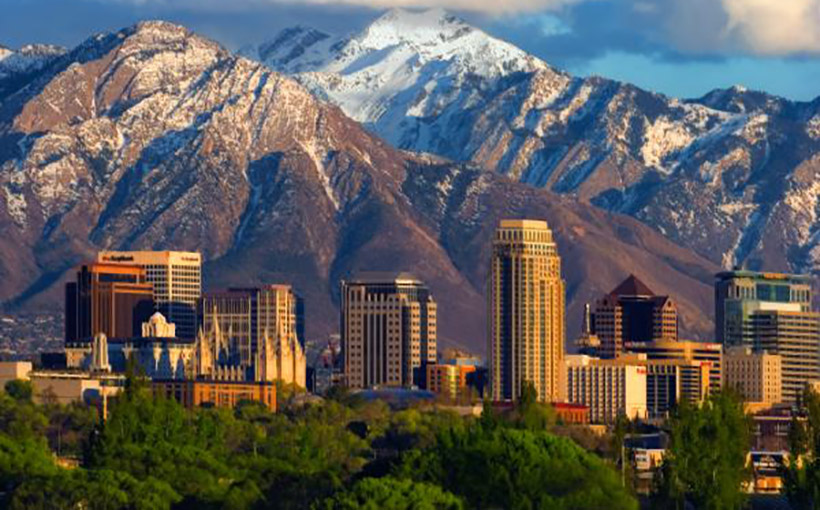
U.S. consumer momentum is accelerating in a handful of metro areas that are emerging as standout markets heading into 2026. According to new data from Placer.ai, Salt Lake City, Reno, Indianapolis, Tampa–St. Petersburg–Clearwater and Raleigh–Durham are outperforming national averages for population growth as well as retail and dining foot traffic.
In its new white paper, 5 Markets to Watch in 2026, Placer.ai examines why U.S. consumer momentum remains especially strong in these metros. Each market benefits from a combination of demographic shifts, employment strength and lifestyle advantages that support sustained spending and in-person activity.
Salt Lake City continues to lead due to its young, rapidly expanding population and a deeply rooted homeownership culture. Placer.ai notes that retailers in home goods, grocery and home improvement categories are recording year-over-year foot traffic gains that far exceed the national average, reinforcing the metro’s consumer resilience.
Reno is seeing rising influence from the “Singles & Starters” demographic, a trend that is reshaping the local consumer base. This generational diversification is helping transform the city into a year-round hub for dining, shopping and entertainment, while driving consistent traffic growth across shopping centers throughout the metro area.
Indianapolis stands out for its combination of strong employment, affordable housing and favorable cost-of-living metrics. These conditions are creating an attractive environment for discretionary retail and family-oriented dining concepts, positioning the city as a growing Midwestern consumer market.
Raleigh’s relatively low median age and robust labor market are fueling demand for higher-end retail and dining options. Placer.ai reports that this dynamic has translated into foot traffic gains for upscale mixed-use developments, highlighting Raleigh’s appeal to both consumers and developers.
Tampa rounds out the list as in-migration of Gen Z and millennial workers, coupled with rising office attendance, boosts commuter and visitor traffic. This surge has helped dining concepts in Tampa’s urban core grow faster than the national average, reinforcing the metro’s role as a key Southeastern consumer hotspot.

