
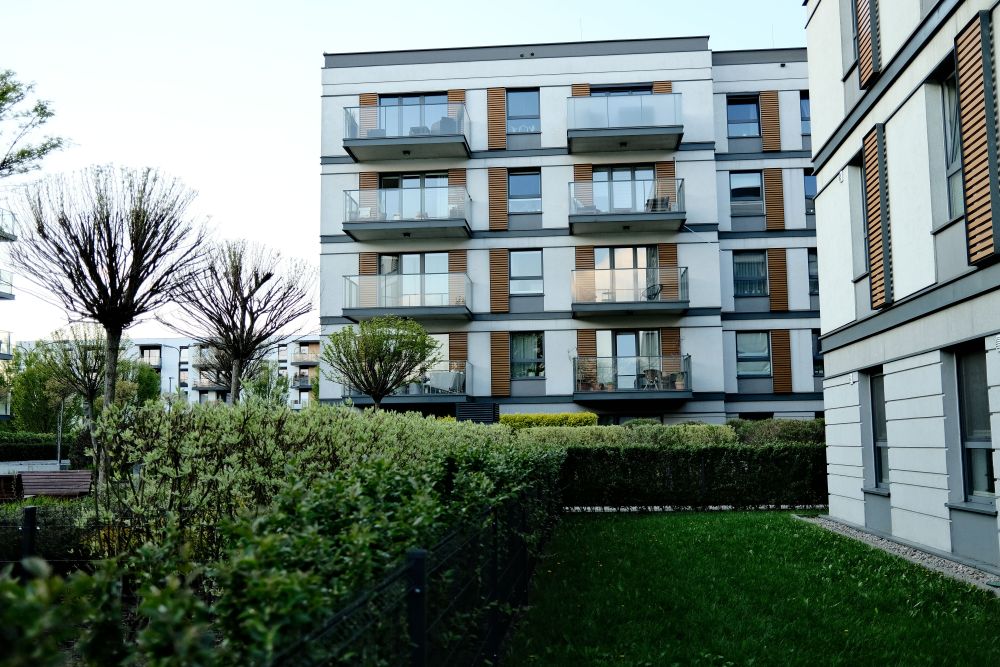
The Sunbelt Multifamily market is attracting renewed investor interest as capital returns to carefully selected apartment communities across high-growth Southern markets. Although elevated supply, higher interest rates, and slower rent growth continue to shape market conditions, investors are becoming more confident in opportunities backed by experienced sponsors and disciplined underwriting. Instead of avoiding the region, many buyers are focusing on assets that offer long-term value and strong recovery potential.
For much of the past two years, the Sunbelt apartment sector has faced one of its most challenging periods in recent history. Record-breaking apartment deliveries increased competition among landlords, while borrowing costs climbed sharply and rent growth slowed across several major metropolitan areas. Despite these headwinds, industry professionals believe the market is moving toward a healthier balance as new development activity begins to moderate.
Rather than asking whether to invest in the Sunbelt, investors are now evaluating which markets provide the strongest long-term fundamentals. Property location, neighborhood growth, employment trends, and realistic pricing have become far more important than aggressive rent forecasts. This shift reflects a more disciplined investment environment where quality assets continue attracting institutional and private capital.
Industry leaders note that underwriting standards have changed significantly compared with the rapid expansion that followed the pandemic. Jeff Rosenfeld, Managing Partner at North River Partners, said investors and lenders are placing much greater emphasis on property fundamentals instead of relying on optimistic market assumptions. As a result, transactions are receiving deeper analysis before financing is approved.
Buying Opportunities Replace New Construction
Many multifamily properties completed after the pandemic are now trading below current replacement costs, creating attractive acquisition opportunities for long-term investors. Purchasing an existing apartment community often costs less than developing a comparable project under today’s construction and financing conditions. However, experienced investors stress that pricing alone is not enough to justify a transaction.
Successful acquisitions depend on purchasing assets in markets capable of sustaining future demand and rental growth. Investors continue searching for communities with expanding employment bases, favorable demographic trends, and limited long-term supply risks. Properties located in resilient submarkets remain especially attractive despite broader market challenges.
Garrett Karam, Chief Investment Officer at EMBREY, explained that investors remain interested in Sunbelt apartment communities but continue exercising patience. Instead of pursuing large acquisition campaigns, buyers are carefully selecting properties that meet stricter investment criteria. Many expect this cautious strategy to continue until market conditions become even more favorable.
Financing Becomes More Disciplined
Debt and equity capital remain available for multifamily investments, but financing standards have tightened considerably. Equity partners are contributing larger portions of total capital as lenders reduce leverage and require stronger financial commitments from borrowers. Investors seeking financing must also demonstrate realistic business plans that reflect current market conditions.
According to market participants, lenders have largely moved away from underwriting transactions based on aggressive rent growth projections. Instead, financing decisions now emphasize local apartment supply, lease-up expectations, tenant concessions, sponsor experience, liquidity, and projected exit values. This more conservative approach reduces risk while supporting healthier investment fundamentals.
Markets experiencing heavy apartment deliveries receive particularly close attention from lenders. Financial institutions want confidence that borrowers possess sufficient liquidity to withstand slower leasing activity or extended periods of stable rental rates. Consequently, stronger sponsorship has become one of the most important factors influencing financing approvals.
Long-Term Outlook Remains Positive
Although oversupply continues affecting several Sunbelt metropolitan areas, many investors believe current conditions represent a temporary phase rather than a structural weakness. Apartment construction is expected to slow over the coming years as financing becomes more selective and developers reduce speculative projects. Meanwhile, population growth across many Southern markets continues supporting long-term housing demand.
Industry professionals expect these trends to gradually restore market balance as available inventory is absorbed. Investors with longer investment horizons increasingly view today’s pricing environment as an opportunity to acquire quality multifamily assets before stronger rental growth returns.
Garrett Karam believes owners willing to invest during the current cycle could benefit from meaningful value creation over the next several years. As supply pressures ease and market fundamentals improve, well-positioned apartment communities may deliver stronger operating performance and appreciation.
Overall, the Sunbelt multifamily market is entering a more disciplined stage of its investment cycle. Capital continues flowing toward properties with solid fundamentals, experienced ownership teams, and sustainable long-term demand. While investors remain cautious, confidence is steadily returning as market conditions stabilize and opportunities become more selective.

