
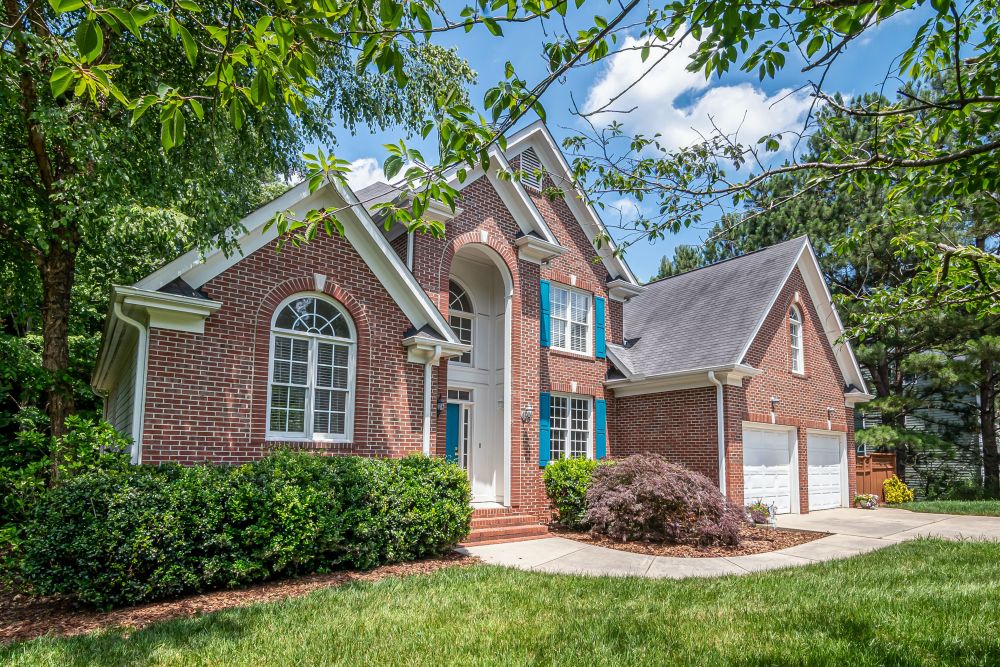
A Historic Miami Home in the Shenandoah neighborhood became the center of an emotional farewell as residents, artists, and community members gathered to celebrate its century-long legacy before its scheduled demolition. The event reflected growing concerns about the rapid transformation of Miami’s historic neighborhoods, where older homes are increasingly replaced by modern developments. While redevelopment continues across the city, many residents believe preserving local history remains an essential part of Miami’s identity.
The century-old property, located just south of Southwest Eighth Street, has stood since the early 1920s during one of Miami’s first major development booms. As demolition plans moved forward, one of the home’s final tenants organized a community gathering to honor both the building and the memories created within its walls. The event highlighted the emotional connection many residents develop with historic properties that often disappear in the face of new construction.
Named “The Turning of a Century,” the farewell event symbolized the relationship between Miami’s historic growth and its current wave of redevelopment. Organizers noted that the home was built during the same era that produced several of the city’s most recognizable landmarks. Today, however, many similar architectural treasures are being replaced by larger residential projects that dramatically alter neighborhood character.
Artists transformed the vacant residence into a temporary cultural exhibition filled with paintings, pottery, photography, poetry, music, and live performances. Instead of simply saying goodbye, participants used the space to express concerns about displacement, historic preservation, and the changing identity of Miami. The exhibition demonstrated how architecture often represents more than buildings—it also preserves community memories and cultural traditions.
For many attendees, the farewell reflected broader concerns about affordability and neighborhood stability. Several former residents explained that the property had provided relatively affordable housing while fostering a close-knit community atmosphere. They argued that redevelopment often removes not only older buildings but also long-established social connections that become difficult to replace elsewhere.
As preparations for demolition continued, the home’s interior was cleared and converted into a gallery space featuring more than forty local artists. Throughout the evening, visitors explored installations designed to capture nostalgia while encouraging conversations about Miami’s evolving landscape. Paintings, handmade ceramics, historic photographs, and multimedia exhibits collectively illustrated the city’s ongoing struggle between preservation and rapid urban expansion.
Many installations focused on the emotional impact of redevelopment. Decorative furniture, family keepsakes, vintage architectural details, and symbolic objects recreated familiar scenes from traditional Miami homes. Audio presentations blended natural Florida sounds with construction noise, reminding visitors of the contrast between disappearing neighborhoods and constant development activity.
Several participating artists explained that their work centered on preserving personal heritage and documenting local history. Pottery, sculptures, and handcrafted pieces emphasized the importance of homes as places where families create memories across generations. Many expressed concern that replacing historic structures with uniform modern buildings risks erasing much of South Florida’s architectural diversity.
Architects and preservation advocates attending the event also emphasized the value of maintaining Miami’s distinctive design traditions. Spanish-style homes, Mediterranean influences, Florida porches, decorative tiles, and handcrafted architectural details continue to distinguish older neighborhoods from newer developments. They argued that preserving these features contributes to the city’s unique identity while supporting cultural tourism and neighborhood character.
Visitors described the exhibition as both inspiring and heartbreaking. Many noted that similar redevelopment pressures are affecting communities throughout Miami-Dade County, including neighborhoods such as Coconut Grove, Coral Gables, and Little Havana. As property values continue rising, concerns about displacement and housing affordability remain central issues for longtime residents.
Several attendees viewed the event as an opportunity to encourage broader public engagement in local preservation efforts. Rather than opposing development entirely, participants called for a more balanced approach that protects historically significant buildings while allowing thoughtful urban growth. Community members expressed hope that future planning decisions would place greater value on preserving neighborhood identity.
Former residents shared personal memories of life inside the home, describing it as a place filled with friendship, creativity, and community spirit. One longtime tenant even delivered a written tribute celebrating the home’s century of history before its final days. The emotional ceremony highlighted how buildings often become symbols of shared experiences rather than simply physical structures.
Friends and neighbors also reflected on the property’s distinctive architecture, noting that its craftsmanship represented an earlier era of Miami development. Although many recognize that redevelopment brings economic opportunities, they stressed that honoring the city’s past remains equally important as new projects reshape South Florida’s skyline.
As demolition approaches, the farewell gathering serves as a reminder of the ongoing conversation surrounding growth, preservation, affordability, and community identity throughout Miami. While new developments continue transforming the city, many residents hope future projects will respect the history and character that helped define Miami for generations.

