
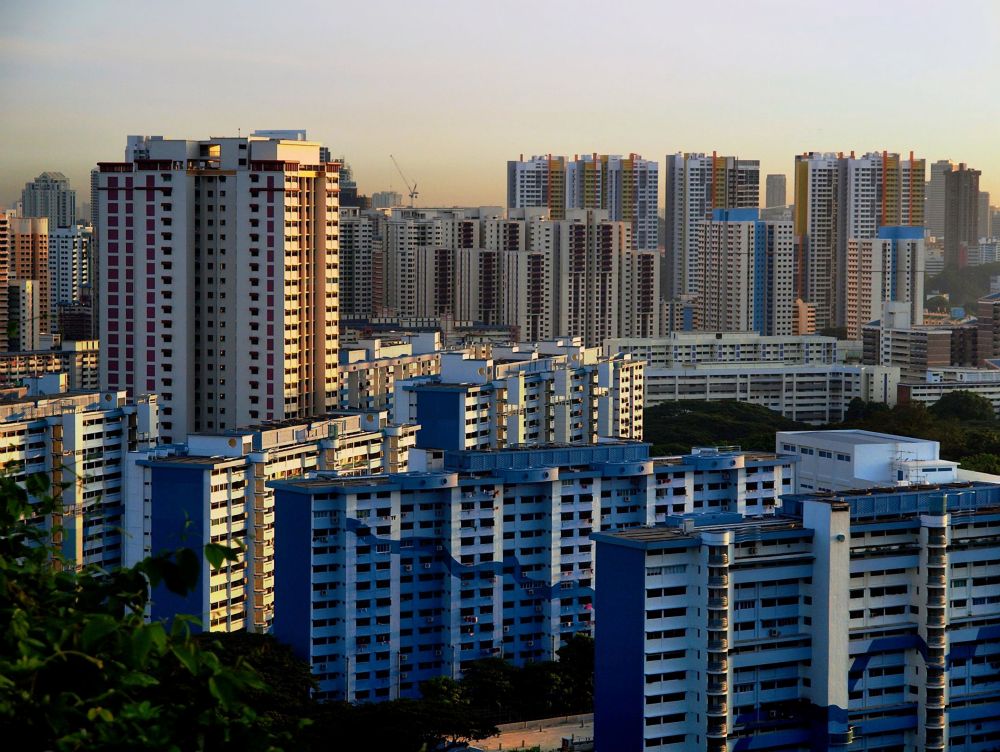
Urban Growth is changing the development landscape in California’s Orange County. For decades, the region was known for its suburban communities, car-focused planning and large residential neighborhoods. Now, however, rising housing demand and limited available land are pushing developers toward taller buildings, mixed-use districts and more walkable communities.
The shift reflects wider demographic and economic changes across the county. Orange County has become more diverse and multicultural while maintaining a wealthy population with substantial disposable income. That combination continues to attract investors and retailers looking for opportunities in Southern California.
Daniel Tyner, a managing director on JLL’s Orange County team who focuses on retail investment and development, said the region has strong demographics and significant consumer spending power. Those characteristics are supporting demand for new development, even as the county faces growing pressure to provide more housing.
Scott Frick, senior vice president for development at OCVibe, said Orange County is moving away from a development model built around horizontal expansion. Instead, developers are looking more closely at density, placemaking and how to make better use of large properties.
Historically, major roads, extensive parking lots and car-dependent layouts defined much of the region. Today, developers are reconsidering the value of those large parcels. Housing, particularly when combined with retail, entertainment and other uses, is becoming a more attractive option.
Urban Growth Moves Development Upward
Orange County is not abandoning its suburban identity. Cities such as Huntington Beach and Costa Mesa continue to face challenges in meeting state housing goals, while opposition to new development remains strong in some communities.
Nevertheless, the pressure to build more housing is increasing. Developable land is becoming harder to find, making redevelopment and greater density increasingly important. As a result, more projects are combining rental housing, retail and other uses in walkable environments.
Yardi Matrix reported that developers had more than 3,000 apartment units in development through August. That represented a 31.2% increase compared with the same period in 2025.
Northmarq Senior Vice President Peter Hauser described the change as a move from building outward to building upward. Rather than continuing to spread development across larger areas, Orange County is beginning to make greater use of existing sites.
This form of Urban Growth is often taking shape through mid-rise projects. Five- and six-story apartment buildings are becoming more common, particularly on older office properties, outdated retail sites and excess parking areas.
The Fashion Island retail center, for example, is among the locations where developers are looking at ways to redevelop underused asphalt. Such projects show how existing commercial properties can offer opportunities for additional housing without requiring entirely new development areas.
Frick said multifamily housing will play a major role in the county’s future. Traditional low-density apartment communities, which may contain around 10 units per acre, are increasingly being compared with much denser projects. OCVibe, for example, is planned to include approximately 100 residential units per acre.
Urban Growth Takes Shape at OCVibe
One of the most prominent examples of the changing development strategy is OCVibe in Anaheim. The Samueli family’s planned $5 billion project will transform approximately 100 acres next to the Honda Center, home of the Anaheim Ducks, into a mixed-use entertainment and residential district.
The development is expected to include rows of five- and six-story apartment buildings, two hotels, office space and retail. It is designed to create a more connected destination rather than another isolated collection of buildings surrounded by parking.
Additional parts of the project are scheduled to open beginning next year. These include a mass timber office building, a market hall and a concert venue.
The project also sits within a wider period of investment around Anaheim’s sports and entertainment assets. Los Angeles Rams owner Stan Kroenke recently purchased the Anaheim Angels baseball club for $4 billion. The transaction is expected to close in early 2027.
Kroenke has already transformed the area around SoFi Stadium in Inglewood. His acquisition of the Angels is therefore creating expectations about another potential opportunity to use a major sports asset as a catalyst for surrounding redevelopment.
The combination of housing, entertainment, hotels and commercial space reflects the direction of Urban Growth across parts of Orange County. Developers are increasingly interested in creating destinations where residents can live, shop and spend time without relying on a car for every activity.
Urban Growth Drives Major Housing Redevelopments
Several projects across Orange County illustrate how developers are rethinking older commercial properties.
Related California is working on a $3 billion redevelopment of a former shopping center in Santa Ana, near South Coast Plaza. The proposed 41-acre district could include up to 3,750 apartments, a hotel, senior housing and as much as 350,000 square feet of commercial space.
The project would replace an older retail-oriented site with a broader mix of residential and commercial uses. Its scale also highlights the growing role of large redevelopment opportunities in addressing the county’s housing needs.
Newport Beach has taken another step toward adding housing by approving hundreds of units on the site of aging office buildings near John Wayne Airport. The decision shows how properties that no longer serve their original purpose can become candidates for residential development.
In Irvine, the Irvine Company continues to expand apartment options at Tustin Ranch, a former Marine air station. Its plans call for more than 1,300 additional units, adding to the area’s residential supply.
Another major project is taking shape at the former Westminster Mall site. Shopoff Realty Investments began demolition and redevelopment work in April. The company aims to turn the property into Bolsa Pacific, a $2.5 billion master-planned mixed-use community.
These projects show how Urban Growth is increasingly connected to the reuse of existing land. Instead of relying only on undeveloped parcels, developers are targeting shopping centers, office buildings and other sites that can support more intensive uses.
However, not every proposed residential conversion has moved forward. Hive Live, a project that would have transformed office space into more than 1,000 housing units, was under consideration before defense technology company Anduril purchased the property last fall for its headquarters expansion.
That decision illustrates the competition between residential and commercial uses. Even when a property appears suitable for housing, strong demand from businesses can change its development prospects.
Urban Growth Could Improve Housing Supply
Hauser said Orange County had seen relatively little significant new construction since the 1980s and 1990s. He believes the current wave of projects could finally begin to improve housing affordability by bringing additional supply to the market.
The scale of the change remains important. Although development is increasing, the county is not experiencing the same level of construction seen in some faster-growing Sun Belt markets.
Orange County has historically had a different development structure from cities where large amounts of land were available for rapid expansion. The Irvine Company’s influence over land ownership and development has helped shape the pace and location of construction.
That structure may also limit the risk of excessive apartment supply. In some southern U.S. markets, multifamily construction expanded rapidly. Austin, for example, experienced enough new apartment supply to contribute to a significant reduction in rents.
Orange County has followed a more controlled pattern. Hauser said the relationship between land availability and development decisions provides some protection against an oversupply of apartments.
Frick estimated that some cities have added apartment inventory at annual rates of 4% or 5%, while Orange County’s unit count may be growing by only around 1% per year.
Rent growth has moderated slightly as new apartments enter the market. Still, the relatively slow pace of supply expansion continues to support investor interest.
At the same time, Hauser believes the county has fallen behind in delivering new housing. That creates an audience for almost any property where developers can build vertically or increase density.
This imbalance is one of the reasons Urban Growth is attracting attention. More housing is needed, but the supply of suitable land remains limited. Consequently, properties with redevelopment potential can become particularly valuable.
Urban Growth Attracts Investors From Los Angeles
Orange County is also gaining attention as an alternative to Los Angeles for multifamily investors.
Investors can access Southern California’s rental market and its potential for rent growth while facing a different regulatory environment. According to Tyner, some of the tenant protection requirements and development-related costs that affect Los Angeles are less significant in Orange County.
The industry’s concerns include Measure ULA in Los Angeles, which it argues has affected the economics of new development. Orange County does not face the same level of pressure from that measure.
Population trends also provide part of the comparison. Orange County experienced a slight population decline of 0.3% last year. However, that outflow was much smaller than the decline in Los Angeles County, which recorded the largest population outflow in the nation.
Hauser said he has seen investors with existing holdings in Los Angeles attempt to sell those assets and move their capital into Orange County. For some, the county offers a way to maintain exposure to the Southern California market while pursuing a different investment profile.
Much of the investment activity comes from within California, he added. Some out-of-state investors remain cautious because of the market’s low capitalization rates and may overlook the potential returns associated with rent growth.
Recent Northmarq data shows that multifamily transaction volumes in Orange County have reached their highest levels since 2022. Prices per unit have also increased by 20%.
Class C properties accounted for a large share of transactions during the previous quarter. Hauser said this reflects the willingness of investors to stretch their budgets to acquire assets in a California market they consider relatively safe and reliable.
However, he warned that local government decisions could change the outlook. Santa Ana recently considered a local rent control measure, raising concerns about the potential effect of limits on rent increases.
Hauser argued that restricting annual rent increases to 2% could create financial pressure when insurance and utility expenses rise by 5%, 6% or even 8%.
For investors, the spread of similar policies across more Orange County cities could affect property economics. As a result, local attitudes toward development and rent regulation remain important factors in the region’s investment outlook.
Retail and Commercial Space Support Urban Growth
The development shift is not limited to apartments. Orange County’s retail market is also benefiting from strong demand and limited new supply.
JLL data shows that retail vacancy remains below 5%. Meanwhile, rents have increased approximately 32.5% over the past decade, slightly exceeding the national average.
Tyner said investment activity in retail properties is increasing. His team’s retail investment sales volume is up 40% compared with the previous year.
Investors continue to place Orange County high on their lists of preferred markets, he said, largely because of its performance.
The region’s changing population and economy are also supporting retail demand. Orange County has become more diverse, creating opportunities for retailers that want to reach a wider range of consumers.
Some high-end brands are particularly interested in reaching younger and more affluent shoppers. However, available retail space remains limited, leading tenants to compete for suitable locations.
Erewhon, the premium grocery retailer, has announced plans to open an Orange County location in Costa Mesa in 2027. Its arrival reflects the region’s appeal to retailers targeting consumers with higher spending power.
The county is also attracting businesses from other parts of Southern California. Some space and defense technology companies that previously clustered around the South Bay are expanding south in search of additional workspace.
That demand is creating opportunities in the industrial market. Earlier this month, BKM Capital Partners acquired a 231,000-square-foot business park in Westminster for $62 million.
Office properties are showing some improvement as well. High-quality buildings that remain valuable for business use are less likely to be converted into housing.
A major example is Taco Bell’s recent lease of 250,000 square feet for its headquarters in Irvine. It was the largest office lease in Orange County in five years.
The transaction comes as office vacancy declines and rental growth begins to improve. It also suggests that demand for well-located, high-quality office space remains present despite the broader challenges facing the sector.
Together, these trends show that Urban Growth is influencing several parts of the commercial property market. Residential development is becoming denser, retail space remains competitive, and selected office and industrial properties are attracting new tenants and investors.
Walkable Communities Define the Next Phase
The shift toward density is also changing what residents expect from new apartment developments.
In the past, competition between apartment projects often focused on amenities. Developers invested in facilities and services designed to make their properties stand out from competing buildings.
Now, walkability is becoming a more important selling point. Residents increasingly value being close to shops, restaurants, entertainment and everyday services.
Frick said demand for these walkable neighborhoods is growing, even in a county historically designed around driving. The change represents a new approach to master planning, one that builds on the region’s established development model while responding to changing lifestyles.
Residents’ preferences are evolving, and developers must consider how people want to use their neighborhoods. The ability to walk to nearby destinations can influence where renters choose to live and how much they are willing to pay.
This creates opportunities for projects that combine apartments with retail, offices and entertainment. Rather than treating each use as a separate development, planners can create districts where different activities support one another.
The trend also gives older commercial sites a new purpose. Shopping centers, parking lots and outdated office properties can potentially become parts of more connected neighborhoods.
Orange County is unlikely to lose its suburban character entirely. However, the growing need for housing and the limited availability of developable land are changing the way developers approach future projects.
The next phase of Urban Growth will depend on how cities respond to housing proposals, how quickly major developments move forward and whether investors continue to see the county as an attractive place to deploy capital.
For now, the combination of strong demographics, limited supply, rising investment activity and changing renter preferences is supporting a more vertical approach to development. Orange County is not simply building more. It is increasingly trying to make better use of the land it already has.

