
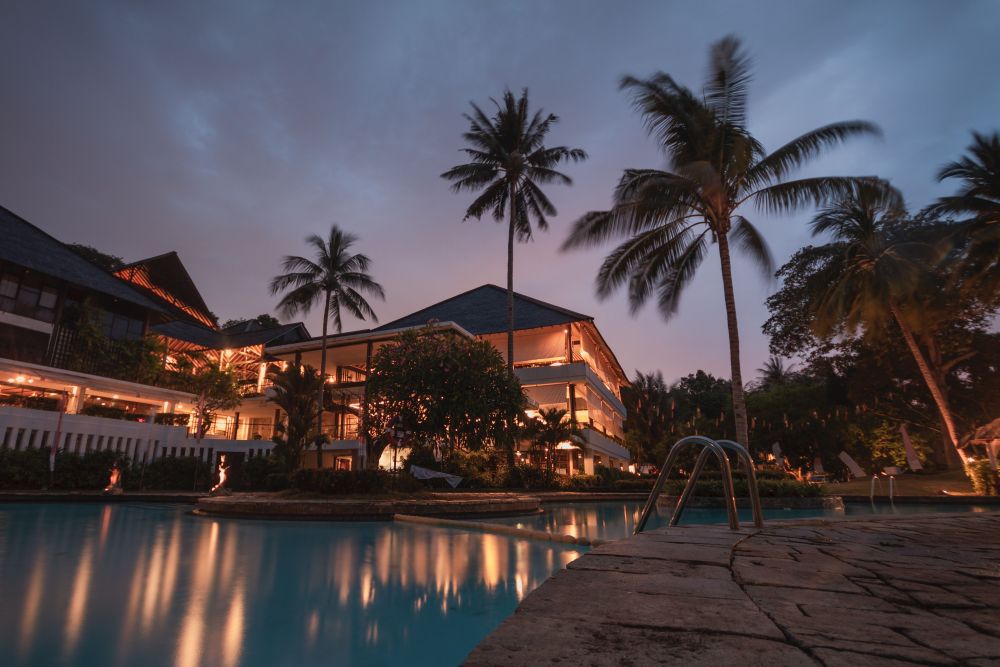
The Asia Luxury Hotel Investment market is gaining remarkable momentum as global investors return to premium hospitality assets across the region. Rising travel demand, increasing wealth, and limited supply of high-end hotels are strengthening investor confidence. As a result, luxury hospitality is once again becoming one of the most attractive commercial real estate sectors, offering stable income potential, long-term value appreciation, and resilience despite ongoing economic uncertainty.
According to a recent market report by JLL, transaction activity involving luxury hotels across Asia-Pacific has expanded significantly over the past several years. Investment volumes climbed approximately 77% between 2017 and 2025, reaching nearly $2.1 billion this year. Although activity remains slightly below the exceptional levels recorded before the pandemic, the recovery signals renewed confidence in premium hospitality assets throughout the region.
Investors Return to Premium Hospitality
The renewed investment cycle reflects changing priorities among institutional and private investors. Rather than focusing solely on traditional office or retail properties, many investors are increasing allocations toward luxury hotels because they offer diversified income streams and stronger pricing flexibility.
In addition, growing international travel, expanding global wealth, and resilient consumer spending continue to support demand for upscale accommodations. These factors are encouraging investors to view luxury hotels as long-term commercial assets capable of delivering both operational performance and capital preservation.
Hong Kong Emerges as a Scarcity Market
Among the region’s leading destinations, Hong Kong continues to attract particular attention from international investors. However, acquiring luxury hotel assets remains extremely challenging because ownership is concentrated among long-established families, major corporations, and private investment groups.
Unlike many international markets where premium hotels change ownership regularly, Hong Kong experiences relatiAsia Luxury Hotel Investment surges as investors target premium hospitality assets across Asia-Pacific, driven by limited supply, rising travel demand, and strong returns.vely few transactions. Consequently, every available property receives considerable attention from investors seeking exposure to one of Asia’s most prestigious hospitality markets.
The limited availability of investment opportunities has created a scarcity premium, allowing well-positioned assets to maintain strong long-term appeal even during periods of market volatility.
Limited Supply Supports Long-Term Value
New luxury hotel construction in Hong Kong has remained measured. Instead of widespread new developments, many existing landmark properties have undergone major renovations, repositioning projects, or international brand upgrades.
This disciplined development strategy has helped prevent oversupply while allowing existing hotels to benefit from recovering tourism, international business travel, major events, and visitors from mainland China. Consequently, owners have enjoyed stronger pricing power as occupancy continues to improve.
Furthermore, high replacement costs make existing luxury hotels increasingly valuable. Building comparable five-star properties requires substantial capital, making established assets difficult to replicate.
Profitability Takes Center Stage
Hotel owners are also placing greater emphasis on operational efficiency as costs continue to rise. Labor expenses, maintenance, utilities, and premium guest services have become significantly more expensive in recent years.
As a result, investors are focusing less on headline revenue figures and more on overall operating profitability. Gross operating profit margins have become a critical performance indicator when evaluating both acquisitions and long-term investment strategies.
This shift demonstrates a broader evolution within commercial real estate, where sustainable cash flow often carries greater importance than rapid asset appreciation alone.
Regional Investment Activity Accelerates
Luxury hotels now represent a much larger share of overall hotel investment across Asia-Pacific than they did several years ago. Industry research indicates that premium hospitality assets account for nearly one-fifth of regional hotel transaction activity in 2025, more than doubling their market share compared with 2017.
The expanding investor base includes institutional funds, private equity firms, family offices, sovereign investors, and cross-border buyers seeking stable income-producing real estate with strong long-term fundamentals.
As financing conditions gradually improve, additional capital is expected to enter the hospitality sector throughout the coming years.
Demand Continues Beyond Peak Seasons
Luxury hospitality is no longer viewed as a purely seasonal business. Affluent travelers increasingly book premium accommodations throughout the year, reducing traditional occupancy swings and improving revenue consistency.
Research also suggests that occupancy differences between luxury hotels and mainstream accommodations have narrowed, highlighting the resilience of high-end travel demand despite broader economic fluctuations.
At the same time, supply growth has remained carefully controlled across Asia-Pacific. Luxury hotel inventory has expanded at a moderate pace over the past decade, helping preserve healthy market fundamentals while avoiding excessive development.
Luxury Experiences Drive Future Growth
Consumer preferences continue evolving toward highly personalized travel experiences. Wellness retreats, boutique luxury resorts, cultural immersion programs, and exclusive destination experiences are attracting affluent travelers willing to pay premium rates.
Hotel operators are responding by launching increasingly specialized luxury brands designed to serve distinct customer segments. This diversification creates additional opportunities for investors to reposition existing properties, establish premium partnerships, and maximize long-term asset performance.
As experiential travel continues expanding worldwide, luxury hospitality assets are expected to benefit from stronger pricing power and broader customer demand.
Commercial Real Estate Outlook Remains Positive
Despite higher operating costs associated with luxury hotels, including elevated staffing requirements and premium service standards, many properties continue generating profitability comparable to other commercial real estate sectors.
Their ability to command premium room rates while maintaining healthy operating margins reinforces their investment appeal. Moreover, investors increasingly value luxury hospitality as a sector capable of delivering dependable cash flow alongside long-term asset appreciation.
Looking ahead, Asia-Pacific’s luxury hotel market appears well positioned for continued growth. Limited supply, disciplined development, improving travel demand, and strong investor appetite are creating favorable conditions for premium hospitality investments. As capital continues flowing into high-quality commercial assets, luxury hotels are expected to remain among the region’s strongest-performing real estate sectors.

