
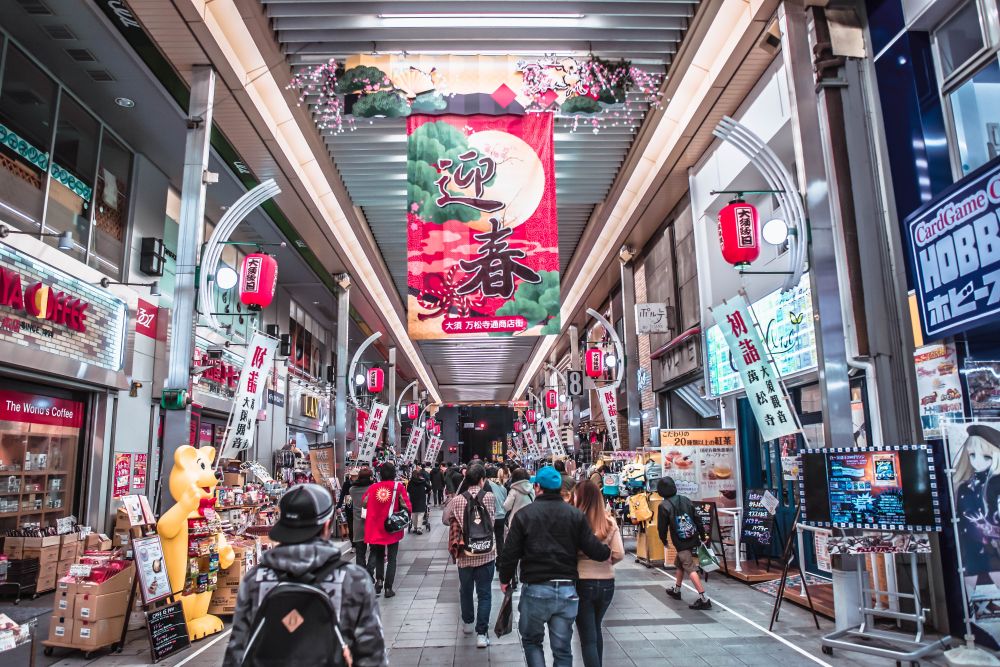
Japan Retail Rents continued to climb during the first quarter of 2026 as demand for premium shopping locations remained exceptionally strong. Luxury fashion brands, international retailers, and expanding apparel companies competed aggressively for limited storefronts in the country’s busiest commercial districts. Despite global economic uncertainty and softer tourism from some international markets, Japan’s retail property sector demonstrated remarkable resilience, reinforcing investor confidence in one of Asia’s strongest commercial real estate markets.
According to the latest market research from CBRE, five of Japan’s ten major retail districts recorded their highest rental levels on record during the quarter. Prime shopping areas including Ginza, Omotesando, Harajuku, Shibuya, Shinsaibashi, and Kyoto continued attracting strong leasing demand while vacancy rates remained extremely low. Consequently, landlords gained additional pricing power as available retail space became increasingly difficult to secure.
Premium Shopping Districts See Strong Demand
Tokyo’s famous Ginza district remained Japan’s most expensive retail destination. Average asking rents increased by 1.4% from the previous quarter, reaching a new all-time high. At the same time, vacancy remained effectively nonexistent for the fifth consecutive quarter, reflecting an ongoing shortage of premium retail space.
Luxury brands, footwear retailers, apparel companies, and resale businesses continued expanding their presence in Ginza. In many cases, multiple retailers competed for the same available storefront, driving lease negotiations to increasingly competitive levels. As a result, owners of prime retail assets benefited from sustained pricing momentum.
Fashion Brands Lead Leasing Activity
Fashion retailers emerged as the dominant force behind new leasing transactions during the quarter. Nearly half of all newly leased retail space across Japan’s leading shopping streets was occupied by fashion and apparel businesses. Several major lease agreements were completed across Ginza, Omotesando, Harajuku, Shinsaibashi, and Sakae.
Many retailers relocated existing stores to larger or more visible locations while others expanded their physical footprints. Strong in-store sales encouraged brands to invest further in flagship locations, even as operating costs continued rising.
Retail Market Defies Global Headwinds
Although geopolitical tensions and weaker visitor numbers from certain international markets created challenges for Japan’s tourism industry, retail leasing activity remained resilient. Industry analysts noted that most retailers continued pursuing expansion plans without making significant adjustments to their long-term investment strategies.
Consumer spending within Japan also remained relatively stable, helping support leasing demand across major commercial corridors. Therefore, confidence among both landlords and tenants stayed considerably stronger than many analysts had anticipated earlier in the year.
Tokyo Districts Continue Setting Records
Omotesando and Harajuku posted another quarterly rental record as average asking rents increased once again. Vacancy rates declined to almost zero, reflecting exceptionally limited supply. Retailers were increasingly willing to pay premium prices for storefronts near highly visible intersections that attract significant pedestrian traffic every day.
Meanwhile, Shibuya also recorded another rental milestone. Strong demand along the district’s busiest shopping streets continued pushing rental rates higher as retailers sought greater exposure in one of Tokyo’s busiest commercial destinations. Limited inventory ensured that competition remained intense for every available unit.
Regional Markets Show Mixed Performance
Outside the capital, Osaka’s Shinsaibashi district achieved another record rental level as luxury retailers, sporting goods companies, and apparel brands secured locations ahead of the opening of a major new retail complex. Kyoto also experienced notable rental growth, supported by strong leasing activity around its popular shopping districts.
However, not every market followed the same trajectory. Nagoya’s Sakae district experienced a temporary rise in vacancy after a large retail space became available. Consequently, average rents eased slightly during the quarter, illustrating that local supply conditions continue influencing individual market performance.
Limited Supply Supports Future Growth
Commercial real estate experts believe Japan’s retail leasing market remains fundamentally undersupplied. Prime shopping districts continue offering very few vacant storefronts, allowing landlords to negotiate stronger lease terms while maintaining high occupancy levels.
At the same time, demand is gradually extending beyond premier shopping streets into secondary retail locations where smaller spaces provide more affordable opportunities for expanding businesses. This broader demand base could help sustain rental growth across multiple retail segments over the coming quarters.
Outlook for Commercial Real Estate
The latest figures suggest that Japan’s retail property market remains one of the strongest-performing commercial real estate sectors in Asia. Record rental levels, extremely low vacancies, and healthy retailer expansion continue supporting asset values despite broader economic uncertainty.
Looking ahead, investors are expected to remain focused on high-quality retail assets in established shopping districts. As long as supply remains constrained and retailer demand stays healthy, Japan’s retail sector appears well positioned to deliver stable income growth and long-term investment opportunities throughout 2026.

