
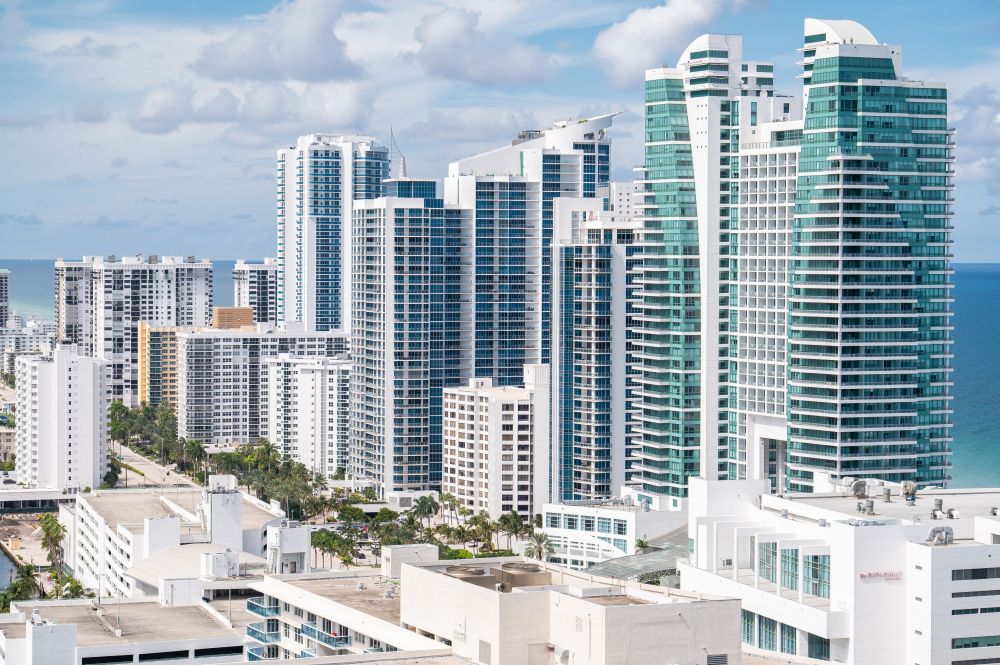
The Miami Condo Lawsuit involving a prominent South Florida developer has widened beyond local real estate disputes and now includes allegations tied to a luxury residential project in the Bahamas. The latest legal action adds another layer of complexity to a developer already facing significant scrutiny in Miami’s condominium market. Industry observers say the case highlights the growing legal and financial risks associated with high-value waterfront developments across South Florida and international resort destinations.
A New York court filing has intensified a dispute between development firms over a luxury Four Seasons-branded residential project on Paradise Island in the Bahamas. The amended complaint seeks more than $30 million in damages and alleges that a major development opportunity was improperly redirected after years of planning, negotiations, and confidential work. The lawsuit centers on claims that a business partnership was sidelined during the advancement of a project valued at approximately $300 million.
According to the allegations, the plaintiff claims it played a crucial role in introducing key relationships that ultimately made the development possible. The filing argues that extensive efforts were devoted to project planning and coordination over several years. However, the complaint alleges that the developer later pursued the opportunity with another partner without properly honoring previous agreements.
The legal battle originally began in 2025, several months after construction activity commenced on the luxury Bahamian development. The updated complaint expands the scope of the claims by adding allegations of unjust enrichment alongside breach of contract. Legal representatives for the plaintiff argue that the developer could generate substantial profits from the project and therefore should be held accountable for obligations outlined in prior agreements.
Meanwhile, the developer has strongly rejected the accusations. Company leadership described the lawsuit as lacking factual support and indicated that it intends to vigorously defend its position in court. The dispute is expected to continue through a lengthy litigation process as both parties seek to establish their claims regarding the project’s development history and contractual arrangements.
Ongoing Miami Real Estate Disputes
The latest case arrives as the same developer remains involved in a highly publicized legal conflict surrounding a waterfront condominium property in Miami’s Edgewater neighborhood. That dispute has attracted significant attention from real estate professionals, attorneys, investors, and condominium owners across Florida because it touches on the increasingly controversial issue of condo buyouts and redevelopment strategies.
Several years ago, the developer began acquiring units within the aging waterfront condominium building. The long-term objective was to assemble ownership control and redevelop the site into a new luxury residential project. However, a group of remaining unit owners opposed the plan and challenged the developer’s efforts through the court system.
At the center of the dispute was a provision within the condominium’s governing documents requiring unanimous approval from owners before the condominium association could be terminated. Opponents argued that attempts to modify those requirements through majority control violated established rules and unfairly disadvantaged residents who wished to remain in their homes.
In a notable decision, a judge sided with the residents and ruled that the condominium association could not be terminated under the proposed approach. The ruling was widely viewed as a significant victory for property owners facing redevelopment pressure in South Florida’s rapidly changing condominium market.
Repair Costs and Redevelopment Challenges
The legal conflict became even more complicated after portions of the building were reportedly affected by demolition and construction activity while litigation remained unresolved. Earlier this year, a court ordered repairs to the property, creating additional financial and operational challenges for the developer.
Estimates suggested that restoring the aging waterfront structure could require an investment exceeding $60 million. The substantial cost has become a major point of contention between both sides. While the developer has argued that restoring the building may not make economic sense, residents maintain that the current condition resulted from actions taken during the redevelopment process.
The dispute reflects broader challenges facing Miami’s condominium sector. Across South Florida, many aging buildings occupy valuable waterfront locations that developers view as prime redevelopment opportunities. At the same time, long-term residents often seek to preserve their homes and community ties, creating legal and financial conflicts that can last for years.
Buyers Seek Deposit Refunds
Additional legal challenges emerged recently when several purchasers of units planned for the proposed luxury condominium tower sought the return of their deposits. The buyers argued that ongoing uncertainty surrounding the project justified reimbursement of funds committed during the presale phase.
Those actions further complicated an already crowded legal landscape. Multiple court proceedings are now examining separate but interconnected questions involving redevelopment rights, repair obligations, contract enforcement, and future ownership structures.
The developer has also pursued legal remedies of its own. In filings connected to the Edgewater property, company representatives argued that the building’s condition and repair costs support an economic termination approach. Such measures are typically associated with severe damage events where restoration expenses exceed a property’s practical value.
However, attorneys representing residents have challenged that position. They argue that the circumstances surrounding the building differ significantly from traditional cases involving natural disasters or unforeseen destruction. As a result, courts will ultimately determine whether the proposed legal framework can be applied under the current facts.
Market Implications for South Florida
Real estate professionals are closely monitoring the outcome of these cases because they could influence future redevelopment projects throughout Miami and other high-demand coastal markets. Developers continue to pursue aging condominium properties as land values rise, while residents seek stronger protections against forced buyouts and redevelopment efforts.
The growing number of disputes demonstrates the tension between urban redevelopment goals and property owner rights. As older buildings face increasing maintenance costs and stricter safety requirements, more communities may encounter similar challenges in the years ahead.
For investors and developers, the expanding Miami Condo Lawsuit serves as a reminder that legal, financial, and reputational risks can significantly affect project timelines and profitability. For residents, the case underscores the importance of condominium governance documents and the protections they may provide during redevelopment negotiations.
With court proceedings continuing in both Florida and New York, the disputes remain among the most closely watched real estate legal battles connected to the Miami market. The outcomes could help shape how future condominium buyouts, redevelopment proposals, and luxury residential projects are handled throughout South Florida and beyond.

