
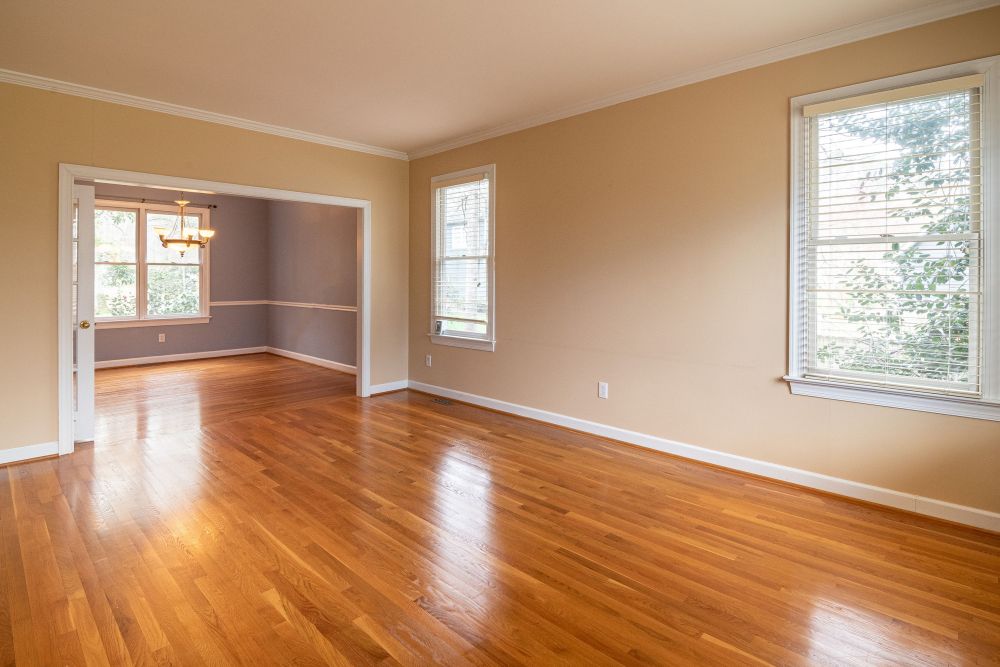
Seattle Home Prices are declining faster than in any other major U.S. metropolitan market, as rising inventory and cautious buyers reshape one of America’s most closely watched technology-driven housing sectors. After years of aggressive bidding wars and record-setting appreciation, the balance of power has shifted noticeably toward buyers, forcing sellers to adjust expectations and pricing strategies.
The Seattle housing market, once considered one of the strongest growth stories in the United States, is now experiencing a broad market correction. Analysts say the slowdown reflects a combination of affordability pressures, elevated mortgage rates, and changing buyer psychology after the intense pandemic-era boom.
Recent housing data shows that single-family home prices in Seattle posted one of the steepest annual declines among major American cities. The market correction has become increasingly visible across both single-family homes and condominium properties, where sellers are offering price reductions more frequently than during previous years.
Real estate professionals say buyers are no longer willing to overpay simply to secure a property. Instead, purchasers are taking more time to evaluate homes, negotiate repairs, and request seller concessions. Industry experts note that this marks a major departure from the ultra-competitive market conditions that defined Seattle between 2020 and 2022.
Housing inventory has risen sharply throughout the region, giving buyers far more options than they had during the pandemic housing surge. New listings for single-family homes, condominiums, and townhouses have increased substantially over the past year, creating additional competition among sellers trying to attract qualified buyers.
Market analysts say the rapid increase in available inventory has slowed transaction speeds across nearly every property segment. Homes are remaining on the market longer, while bidding wars have become far less common in many neighborhoods. Buyers who once felt pressured to waive inspections are now approaching transactions more cautiously.
Economists believe the correction is partially tied to the dramatic price growth Seattle experienced during the pandemic years. Home values surged rapidly as remote work, low mortgage rates, and strong technology-sector hiring fueled demand across the Pacific Northwest.
At the same time, the jump in borrowing costs changed the affordability equation for many households. Mortgage rates above 6% have significantly increased monthly payments, making previously acceptable purchase prices less practical for buyers relying on financing.
Technology-sector restructuring has also influenced market sentiment. Although layoffs at several major companies generated headlines, housing professionals say the larger impact has been psychological rather than purely financial. Buyers employed in technology and related industries are now acting more conservatively when making large financial commitments.
Seattle remains a major employment center for artificial intelligence, biotechnology, gaming, and software development. However, experts say the market no longer benefits from the aggressive expansion and hiring pace that previously fueled rapid home appreciation.
Condominium properties are facing additional pressure. Rising homeowners association fees, maintenance assessments, and changing lifestyle preferences have reduced demand for some high-rise developments. Many buyers now prefer larger living spaces or established residential neighborhoods outside dense urban cores.
Despite the slowdown, real estate brokers emphasize that demand has not disappeared entirely. Well-maintained homes priced competitively in desirable neighborhoods continue attracting strong interest and can still sell relatively quickly.
The market has effectively split into two different segments. Properties that are updated, realistically priced, and located in established communities remain active. Meanwhile, overpriced homes or properties requiring significant repairs are sitting on the market for extended periods.
Buyers are also benefiting from the return of traditional contract protections. Inspection contingencies, financing contingencies, and repair negotiations have reappeared after being largely absent during the pandemic boom years. This shift is giving purchasers greater leverage and reducing the urgency that previously defined the market.
Housing experts say the Seattle correction reflects broader global real estate trends affecting technology-driven cities. International markets that experienced sharp pandemic-era appreciation are now adjusting to higher financing costs, slower economic growth, and changing investor expectations.
Commercial real estate professionals are watching the Seattle housing market closely because residential trends often influence broader investment activity. Slower home sales can impact apartment demand, mixed-use developments, and urban redevelopment projects tied to population growth.
At the same time, population inflows into the Pacific Northwest remain relatively stable compared with some other regions. Analysts say Seattle continues attracting high-income professionals, although affordability challenges are encouraging some households to consider suburban or secondary markets instead.
Crime concerns in certain urban districts have also generated public discussion, but many real estate professionals believe the impact on overall residential demand remains limited. Most buyers continue focusing more heavily on affordability, commuting patterns, and neighborhood amenities.
Mortgage rates continue playing a critical role in buyer behavior. Financial analysts say even small changes in borrowing costs can significantly influence purchasing power in expensive markets such as Seattle, where median home prices remain well above the national average.
Some economists believe Seattle Home Prices may be approaching a stabilization point as sellers gradually align pricing expectations with current market conditions. Increasing inventory has already reduced some of the extreme volatility that characterized the city’s housing sector during recent years.
Real estate professionals caution that future market performance will depend heavily on interest rates, employment growth, and broader economic conditions. If financing costs decline later in the year, housing activity could recover modestly as sidelined buyers return to the market.
For now, Seattle stands as one of the clearest examples of how rapidly changing economic conditions are reshaping global real estate markets. Buyers have regained negotiating power, sellers are adjusting to a slower environment, and the city’s once red-hot housing sector is entering a more balanced and competitive phase.

