
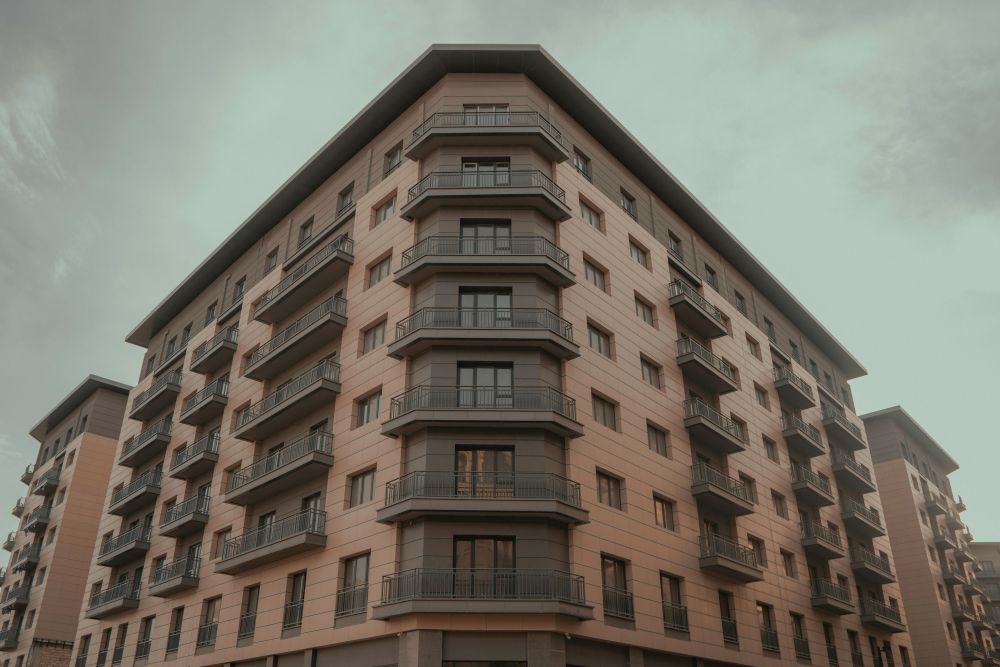
Houston multifamily rents are trending upward in 2026 as new construction supply reaches its lowest level in more than a decade. According to recent market projections, Houston multifamily rents are expected to increase by 2.3%, pushing the average monthly rent to approximately $1,410. This upward movement reflects a tightening supply environment, which continues to reshape both investor strategies and renter behavior across the metro area.
At the same time, new multifamily deliveries have dropped to levels not seen since 2013. This decline in construction activity is being driven by higher financing costs and shifting development priorities. As a result, the imbalance between supply and demand is supporting steady rent growth, even as broader economic conditions remain uncertain.
Supply Constraints Drive Rent Growth
The most significant factor behind rising Houston multifamily rents is the sharp reduction in new housing supply. Several key submarkets are experiencing fewer project completions, particularly within the 610 Loop, where deliveries are projected to decline by 10% in the coming year.
However, not all areas are seeing the same trend. Submarkets such as the Northwest corridor, Katy, and Sugar Land–Stafford are expected to post modest increases in new units. Even so, these additions are unlikely to offset the broader slowdown in construction, keeping overall supply tight.
Investor Activity Remains Strong
Despite supply challenges, investor demand in Houston’s multifamily sector continues to show resilience. Transaction volume for smaller assets, particularly those valued under $10 million, increased significantly toward the end of 2025, rising by roughly 60% year over year.
Additionally, properties built after 2000 have attracted growing interest, with investment activity climbing by nearly 50%. Investors are targeting areas with limited inventory and stable occupancy levels, including River Oaks and other high-demand neighborhoods.
Focus on High-Demand Submarkets
Several submarkets are standing out for their consistent performance. Areas such as Clear Lake, Pearland, Pasadena, and Galveston continue to maintain relatively low vacancy rates, making them attractive to both investors and renters.
These locations benefit from steady demand driven by working-class populations, even as white-collar job growth across the United States shows signs of slowing. Consequently, Houston’s multifamily market is becoming more segmented, with certain areas outperforming others.
Cap Rates and Market Appeal
One of Houston’s key advantages remains its competitive cap rates. Compared to other major Texas metros, Houston offers higher average returns, which continues to draw capital into the market. This trend is reinforcing the city’s position as a preferred destination for multifamily investment.
However, some indicators suggest a more balanced outlook ahead. Vacancy rates are projected to rise slightly, increasing by 20 basis points to 6.3% in 2026. While this level remains below the city’s historical average, it signals a gradual shift as new supply, though limited, begins to stabilize occupancy.
Economic Factors Influence Outlook
Job growth is another factor shaping the trajectory of Houston multifamily rents. Employment expansion is expected to slow, with projections indicating a modest growth rate of just 0.2%. This would represent one of the weakest gains in recent years.
Even so, Houston’s diverse economic base continues to support housing demand. While slower job growth may temper rent increases, it is unlikely to reverse the overall upward trend in the near term.
What Lies Ahead for Houston Multifamily
Looking forward, Houston multifamily rents are expected to remain on a gradual upward path, supported by constrained supply and steady demand. The key question for the market will be whether rent growth can continue to offset rising vacancy rates and softer economic conditions.
For investors, the combination of affordability, strong cap rates, and selective submarket opportunities remains compelling. For renters, limited new supply may continue to place upward pressure on pricing, particularly in high-demand areas.
Ultimately, Houston’s multifamily sector is entering a phase of adjustment rather than decline. As supply remains restricted and demand holds steady, the market is likely to maintain its position as one of the more resilient multifamily environments in the United States.

