
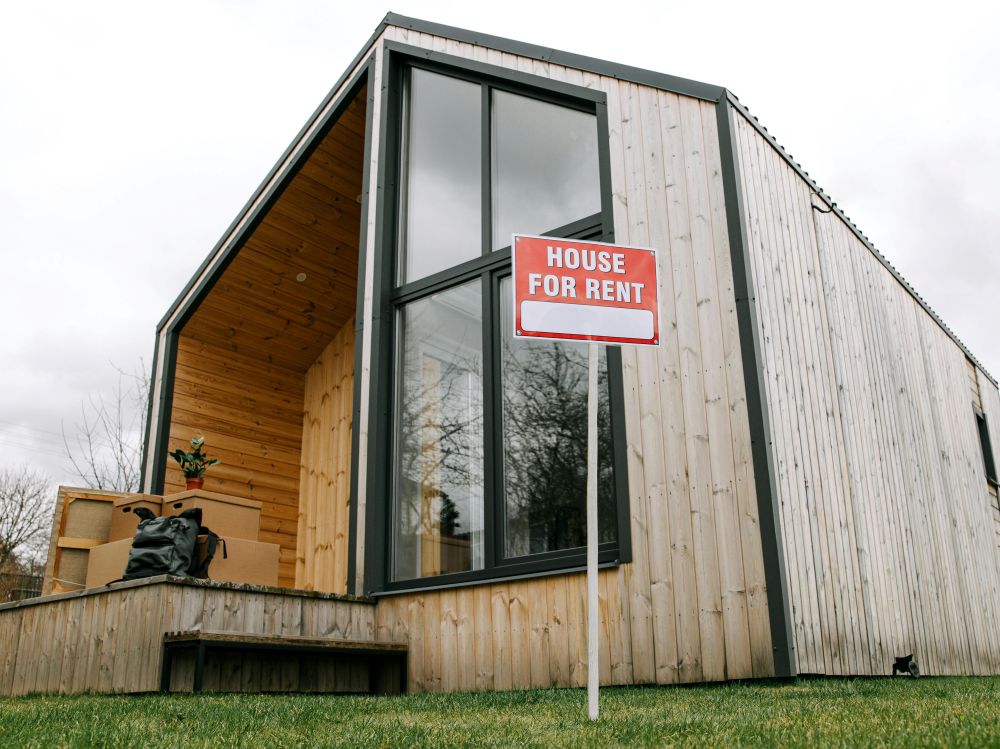
Rent prices continue to climb in several major U.S. metros, even as growth slows in other parts of the country. In 2026, high demand, limited housing supply, and rising costs are keeping rent prices elevated in the nation’s most expensive cities, leaving many renters priced out despite only modest year-over-year increases in some markets.
Although the broader rental market shows signs of cooling, pressure remains intense in premium locations. Economic uncertainty, slower job growth, and persistent inflation are squeezing renters from both sides. As a result, affordability challenges are being reinforced, particularly in cities where construction remains constrained and demand is driven by high-income professionals.
High-Cost Markets Dominate
Leading the list is San Francisco, where a strong tech sector and renewed office activity are driving rent prices higher once again. Limited space and a chronic housing shortage continue to restrict supply. Consequently, even high earners face difficulty securing leases, while returning residents add further pressure to an already tight market.
Similarly, New York City remains one of the most competitive rental environments. Demand from finance, healthcare, and technology workers keeps occupancy high. Meanwhile, strict zoning laws and limited development space slow new construction, ensuring that rent prices remain elevated despite slower growth.
In Boston, demand is supported by education and biotechnology sectors. However, rising construction costs and a lack of affordable housing continue to push rent prices upward. Low vacancy rates force renters to act quickly, often making decisions under pressure in a highly competitive environment.
Geographic Constraints and Demand
Island markets such as Honolulu face unique challenges. Limited land availability, combined with strong tourism and military demand, restricts long-term rental supply. As a result, rent prices remain high, even without formal rent control measures.
Meanwhile, Miami continues to attract new residents due to lifestyle appeal and tax advantages. However, rising insurance costs and supply constraints are reshaping the market. Landlords are increasingly passing costs onto tenants, which keeps rent prices elevated across the region.
On the West Coast, San Diego and San Jose remain expensive due to strong demand and limited inventory. In San Jose, high home prices push more residents into renting, while in San Diego, strict regulations and construction costs restrict supply growth.
Supply Limits and Regulatory Pressures
In Los Angeles, a large population and restrictive land-use policies continue to strain the housing market. High taxes and operating costs challenge landlords, yet demand remains strong. Therefore, rent prices stay high despite slight declines in annual growth.
Likewise, Washington, D.C. faces supply shortages due to zoning laws and historic preservation rules. While tenant protections are strong, limited inventory gives landlords continued leverage, although stricter enforcement is beginning to shift that balance.
Across the river, Jersey City offers proximity to Manhattan but still ranks among the most expensive rental markets. Even after recent price drops, rising property taxes and new luxury developments are pushing rent prices upward again.
Investor Considerations
For investors, these high-rent cities offer strong demand and low vacancy rates. However, rent prices alone do not guarantee profitability. Strict regulations, rent control policies, and high entry costs can significantly impact returns. Therefore, careful analysis is required before entering these markets.
Additionally, operational costs, taxes, and legal frameworks vary widely between cities. Investors must evaluate not only potential income but also long-term sustainability. Using financial tools to calculate expected returns can help determine whether a market offers real opportunity or hidden risk.
Balancing Opportunity and Affordability
Ultimately, rent prices in 2026 reflect deeper structural challenges within the housing market. Limited supply, regulatory barriers, and concentrated demand continue to shape outcomes in major cities. While some renters may see short-term relief, affordability remains a long-term concern.
As cities attempt to balance growth with accessibility, both renters and investors must adapt to evolving conditions. The gap between wages and housing costs remains a key issue, and without significant supply expansion, rent prices are likely to stay elevated in the years ahead.

